
Glimpses of the Untold History of the Indian Freedom Struggle - Part 29
मराठी हिंदी ગુજરાતી বাংলা తెలుగు ಕನ್ನಡ தமிழ்
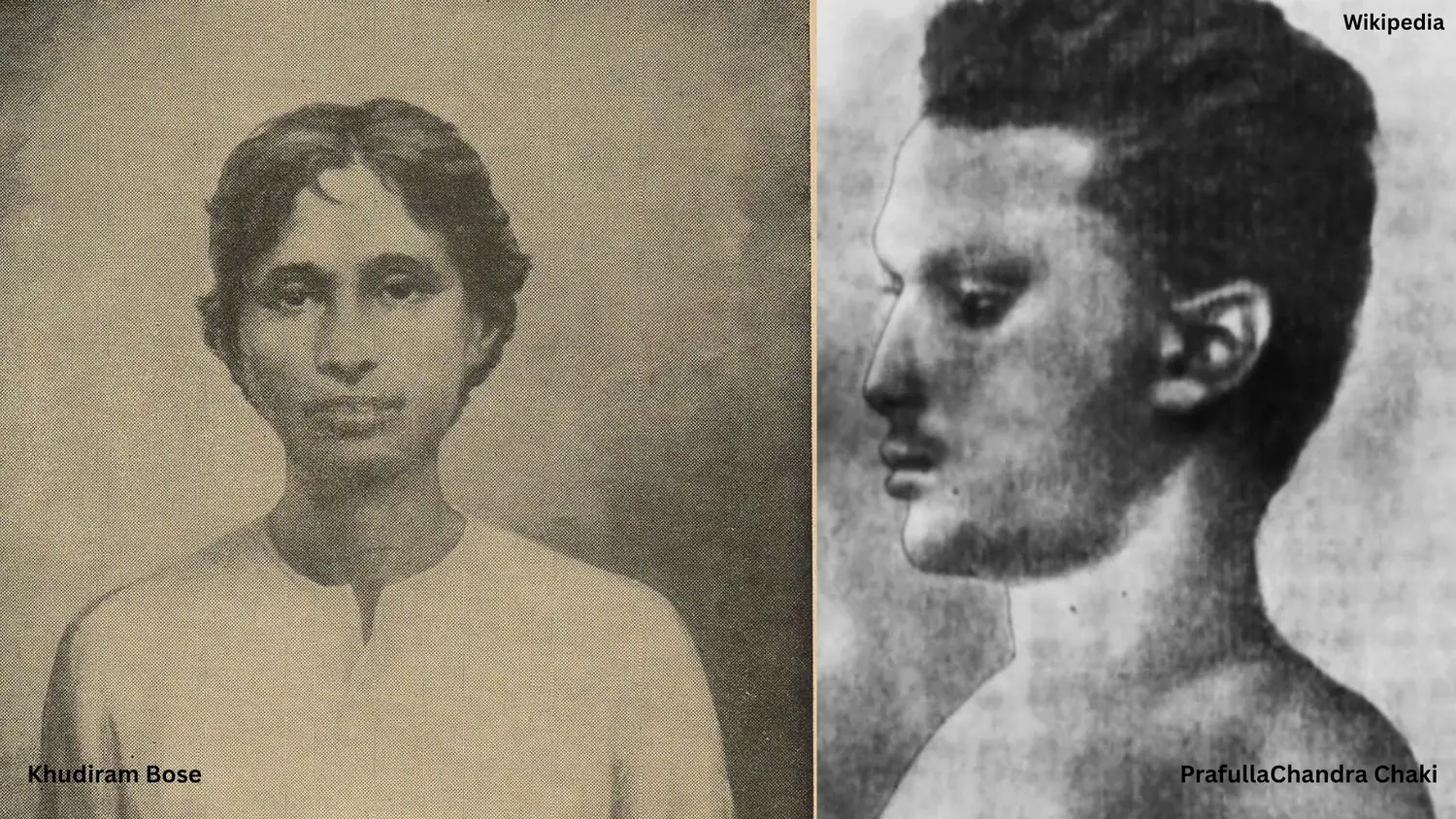
So totally captivated by the speeches and debates of Arvind Ghosh and Sister Nivedita, Tilak’s chief associates in Bengal, was Prafulla Chaki, that he was now possessed inside out by just the one goal: to overthrow the British rule and he was so very restless to do so! Furthermore, having heard Tilak’s speech in Calcutta and having witnessed especially, his ‘famous’ press conference, Prafulla Chaki was more than convinced that Tilak alone was capable of liberating Bharat from the slavery of the British.
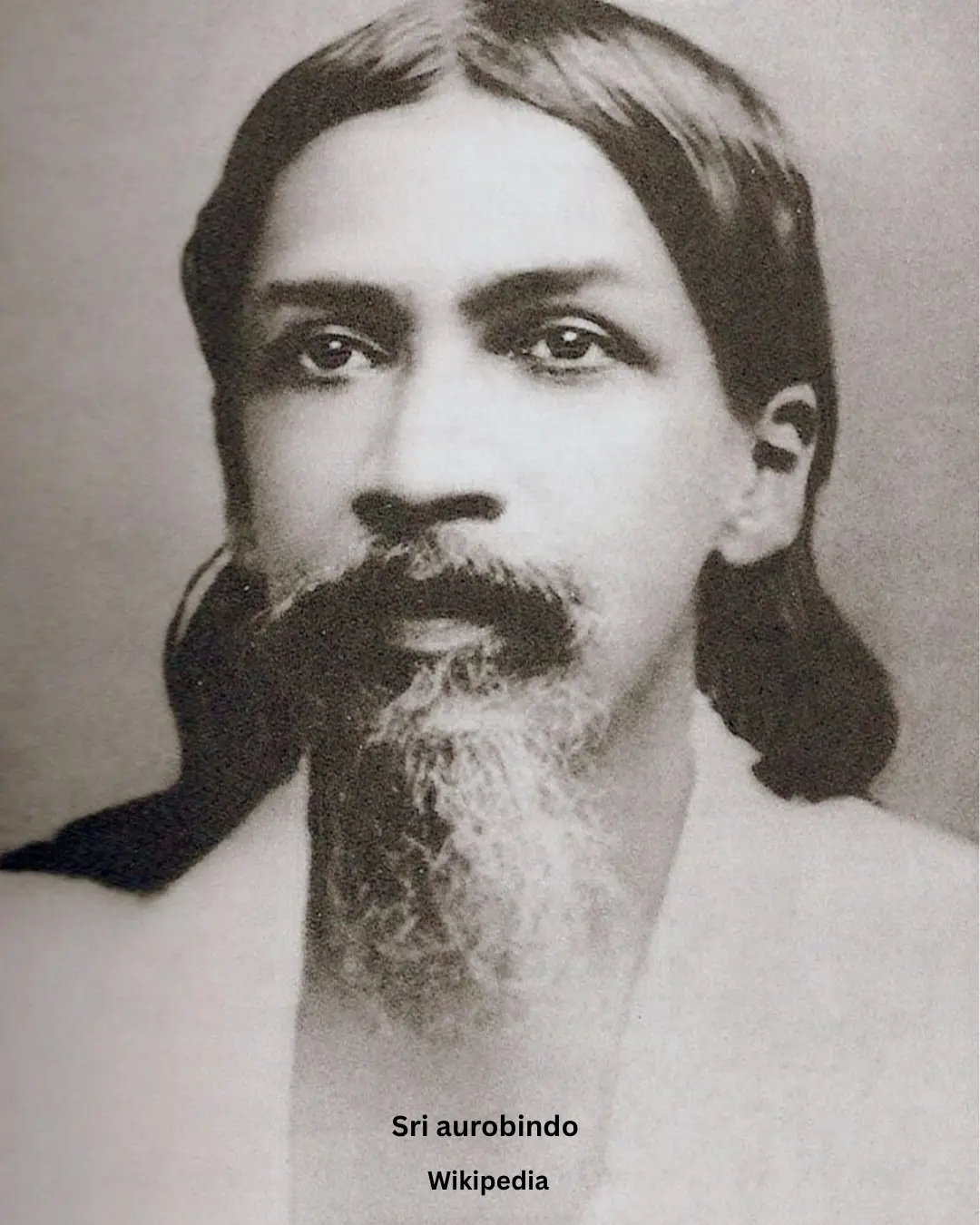
In this very meeting in Calcutta, he found a new friend – Khudiram Bose. Before anybody knew it, Khudiram Bose had become a member of Arvind Ghosh’s associate group – not his parents, not his three sisters nor even the senior colleagues of Ghosh’s organization, ‘the Bengal Swadeshi Movement’ had any idea about it. This was because he had never formally enrolled himself as an ‘activist’.
This boy Khudiram Bose, very mature for his young age, had realized when he began participating in the movement that the success of the revolutionary movement depended on secrecy. The prominent leaders of the group were of the impression that ‘he was but an ordinary worker, who did odd jobs like getting pamphlets printed for the organization, exchanging messages, maintaining the meeting rooms and carrying food to people who were underground’.
Arvind Ghosh alone had read Khudiram’s eyes and without letting others know, he discreetly appointed Khudiram Bose as his assistant and that proved to be a turning point in Khudiram’s life.
Both Khudiram Bose and Prafulla Chaki began training in a workshop ‘to make bombs’. After their meeting with Tilak these two boys were on a spree of making different kinds of bombs. Together they first built a ‘book-bomb’. The person carrying ‘that’ book meaning the person carrying the bomb would easily pass off as a studious young student like these two boys. Even opening the first few pages of the book would not have given any inkling to the police that it was a bomb.
These two boys hid the equipment so skilfully inside the central part of the book that it did not make the book particularly heavy.
These tiny book-bombs were used to target three police posts, two British officers and the house of a traitor who was a British informant. The bombs were actually being tested then and had proved completely successful.
On 30th March 1908 Khudiram Bose arrived alone in Pune to meet Tilak and returned only after having zeroed in on the first prey (target).
Magistrate Douglas H. Kingsford was the chief magistrate of Bengal and nursed extreme and deep hatred for revolutionaries. He blatantly abused his post of ‘the chief presidency magistrate of Calcutta and Muzaffarpur’.
Solely on the basis of suspicion and despite the absence of evidence, he meted out very cruel punishments to even the aged and this although there was no provision of such punishments in the constitution of the British government.
Two months before Khudiram Bose arrived in Pune on 30th March, Kingsford had imposed a very harsh sentence on the editors of the Bengali newspaper ‘Jugantar’ (Yugaantar). Not only were they sentenced to rigorous imprisonment but he also ordered that they be beaten and dragged through the streets and alleys before going to jail.
The helpless cries, the wailing of the aged editors had left Khudiram’s mind totally restless.
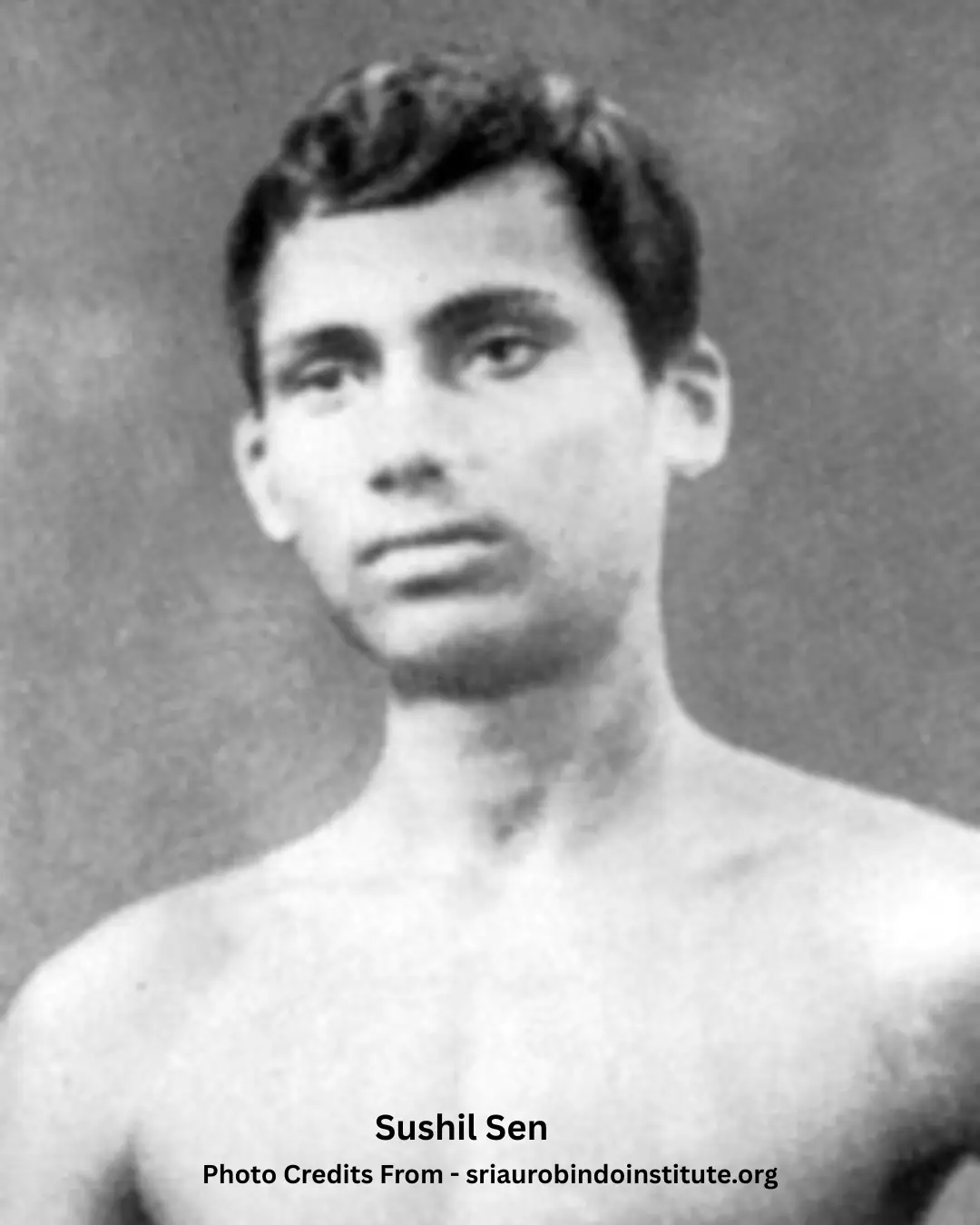
On 24th March, Kingsford apprehended ‘Sushilsen’ a mere fifteen year old innocent 8th grade student quietly working for the Swadeshi movement and this he did because this boy went around requesting people to condemn the cruel action taken against the editors of ‘Jugantar’ and to protest against it. For this thin, skinny boy of five feet this man Kingsford’s punishment was 15 whiplashes in the midst of the densely crowded square.
But the worst was yet to come. With every whiplash Sushilsen kept shouting ‘Vande Mataram’ which sent Kingsford into a berserk rage and then his punishment was fifteen whiplashes every such time that Sushilsen cried out the words ‘Vande Mataram’.
For almost half an hour, the young student, unflinching and bold, kept shouting ‘Vande Mataram’. However, his voice gradually began to become feeble and faint until he finally collapsed unconscious. It was only then that the whiplashes stopped.
The incident left both Khudiram and Prafulla extremely distressed as it did every sensitive and aware Indian citizen. ‘Sushilsen’ became a symbol of British oppression and tyranny and a wave of protests against the incident swept the entire nation.
Now back from Pune, Khudiram resolved that the heartless Kingsford would be his target. It so happened that the British government ordered Kingsford to take up the post of Magistrate in Muzaffarpur – all with a view to quelling the public unrest in Calcutta.
Khudiram and Prafulla found that the appointment worked to their advantage. Hurling a bomb at Kingsford in the hustle bustle of a city as crowded as Calcutta was difficult, not to mention the risk it meant to the lives of innocent civilians. So they both welcomed Kingsford’s transfer to Muzaffarpur, which in comparison with Calcutta, was a very small and quiet town. They also found out that Magistrate Kingsford visited the ‘European Club’ very regularly, in fact every evening.
The evening of 30th April 1908 was chosen to execute the plan. The two of them, dressed in student uniforms sat at the bus stop opposite the club, seemingly awaiting the bus.
Done with his extravagances at the club, Kingsford was about to return home in his carriage. Accompanying him were the wife and the young daughter of another British officer, Pringle Kennedy. At the last moment, Kingsford offered them his luxurious carriage as theirs was smaller and officer Pringle Kennedy himself along with two other British ladies were waiting to be driven home in that carriage. Kingsford sat in Kennedy’s small carriage. In those days the carriages varied in size with the ranks of the officers and were typically enclosed on all four sides.
There was no way Khudiram and Prafulla could have known about this last moment exchange of carriages and so it was Kingsford’s carriage that received the bomb Khudiram hurled – it was a six ounce explosive made from dynamite, detonator and black powder fuse – the bomb he had hidden in Herbert Broom’s book, ‘Commentaries on the common Law’.
But Kingsford was in the other carriage and so escaped unhurt. Khudiram and Prafulla had studied the carriage very carefully. But on that day it was Kennedy’s family that was seated in Kingsford’s carriage and two women of the Kennedy family lost their lives in the incident.
Shortly after, Khudiram and Prafulla were both arrested. The British government, however, turned the incident into a weapon to vilify the Indian freedom movement. They utilized it to launch a mudslinging campaign, under the guise of 'attacks on European women,' to target authentic leaders of the freedom movement.
But Lokmanya Tilak persisted in highlighting the Sushilsen incident in his newspapers ‘Maratha’ and ‘Kesari’ and openly supported Khudiram. Tilak’s cannon kept roaring and the British argument and counters were shattered to smithereens.
Precisely at this juncture there appeared on the scene, a new leader by the name ‘Mohandas Karamchand Gandhi’. Only just back from South Africa and looking to establish his leadership, he condemned Khudiram’s act in very harsh words pronouncing him ‘an oppressor of women’.
This marked the beginning of the new ‘Tilak Vs Gandhi’ era because Gandhi was the disciple of Gopal Krishna Gokhale, the long standing political adversary of Tilak.
...to be continued