
Glimpses of the Untold History of the Indian Freedom Struggle - Part 28
मराठी हिंदी ગુજરાતી বাংলা తెలుగు ಕನ್ನಡ தமிழ்
Lala Lajpat Rai and Bipin Chandra Pal organized Tilak’s tours in the provinces of Punjab and Bengal. At that time, the Punjab province included present-day Punjab and Haryana in India, as well as the remaining part of Punjab which now is in Pakistan. Similarly, the Bengal province then included the whole of present-day Bangladesh, West Bengal in India, and some surrounding regions.
Tilak’s public meetings in Calcutta became a major topic of discussion in the newspapers of that time. Each meeting was attended by as many as five thousand people, and sometimes the number even doubled or tripled. The people of Calcutta and the Punjab province began to wholeheartedly regard Tilak as the supreme leader of India, and such references started appearing in the speeches of local leaders as well.
The British Government in India imprisoned Tilak in 1897, 1909, and 1916, each time sentencing him to one and a half years’ imprisonment on charges of sedition and inciting unrest against the British. In the 1897 sedition case and also in a personal legal matter, Barrister Muhammad Ali Jinnah took up Tilak’s case with great respect. In the cases of 1913 and 1916, Jinnah successfully defended Tilak and secured his acquittal.
Jinnah was a highly educated and modern-thinking Congress leader and held immense respect for Tilak. As a result, the educated Muslim youth began to stand behind Tilak. Tilak’s popularity spread rapidly across Punjab and Bengal, which deeply unsettled the British. Their frustration led to increased conspiracies, and consequently, Lord Curzon—a highly diplomatic, cunning, and ruthless individual was sent to India with two primary objectives: to create enmity between Hindus and Muslims and to incite communal riots.
To achieve this, he engineered the partition of the united Bengal province into “Muslim-majority East Bengal” and “Hindu-majority West Bengal.” Curzon was confident that, regardless of the stance taken, Tilak would suffer politically and India would be divided. However, his plan did not succeed.
Lokmanya Tilak, with the support of Bipin Chandra Pal, led a strong movement against the British throughout Bengal. Some greedy Indians loyal to the British attempted to incite Hindu-Muslim riots in certain areas. However, Tilak’s associates took to the streets and traveled from village to village, explaining his stance to the people. This strengthened the opposition to the partition, which was eventually annulled in 1911.
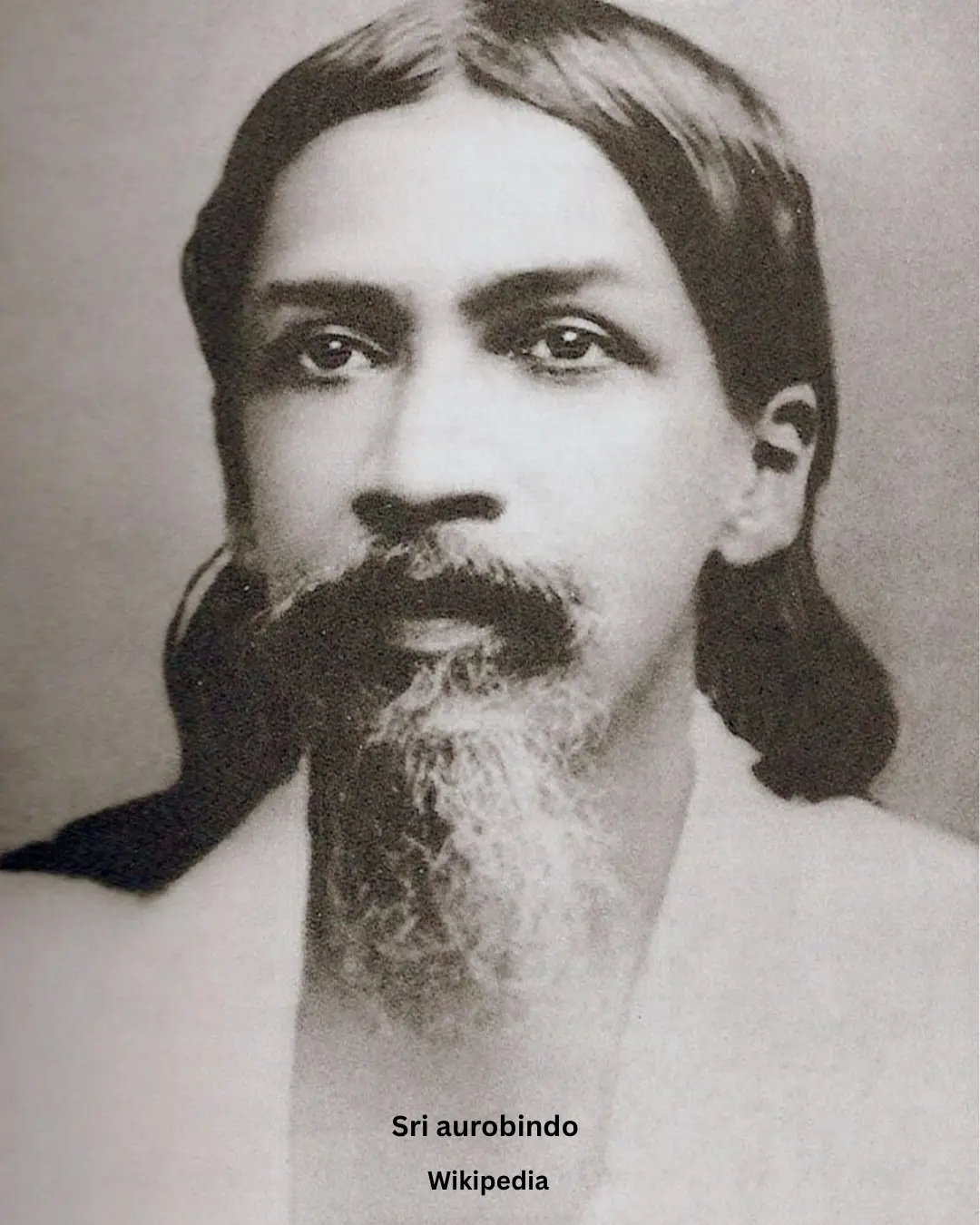
Around the same time, Aurobindo Ghosh emerged as a prominent radical leader from Bengal and began spreading Tilak’s message across northern India. He later established an ashram in Pondicherry, creating a unique spiritual community that was nevertheless rooted in the Vedic tradition.
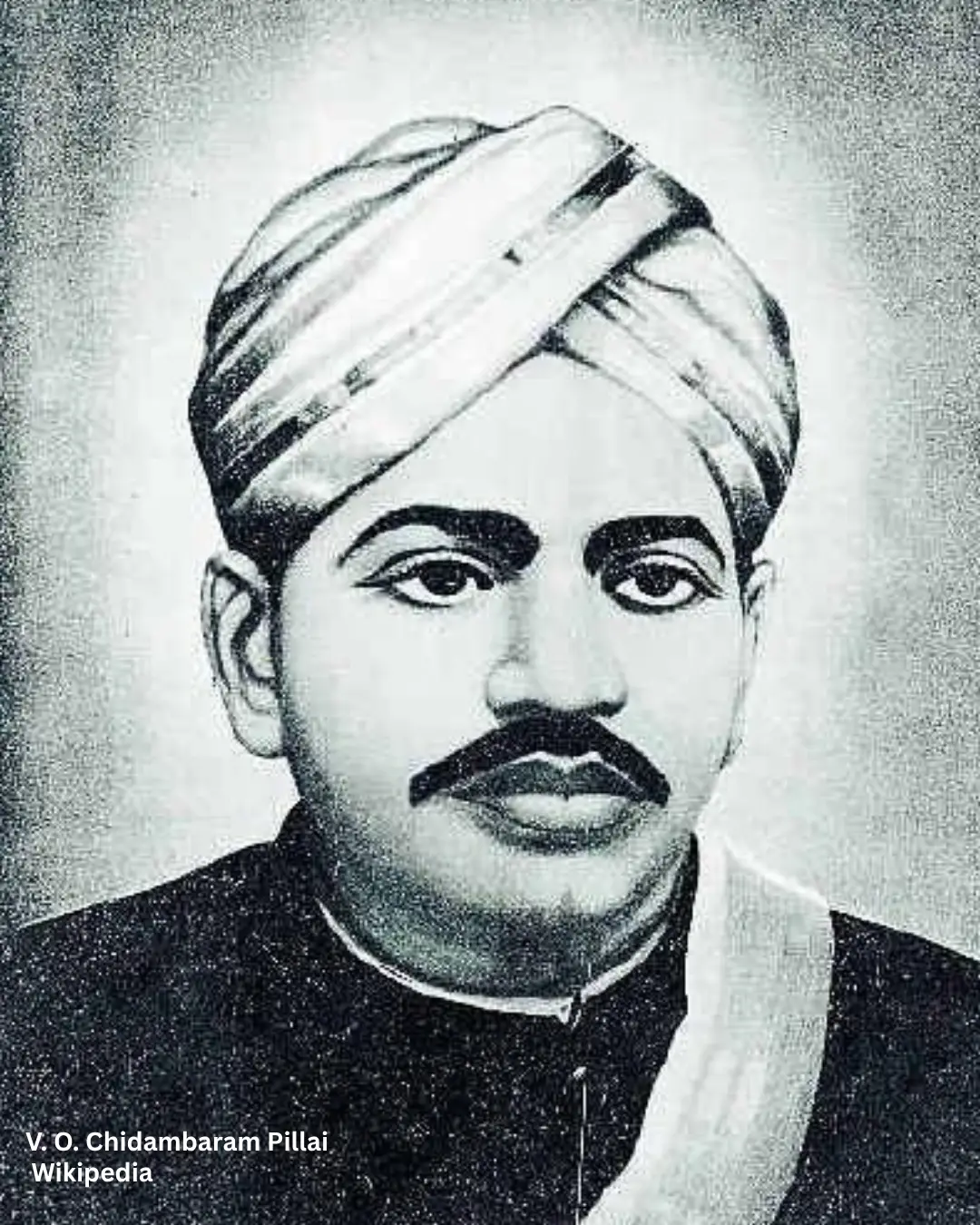
Simultaneously, Chidambaram Pillai represented Tilak in South India. As a result, even ordinary and uneducated people across the region began to firmly believe that Tilak was their leader and that they must support him and actively participate in his movement.
Tilak’s popularity continued to grow, and he gradually introduced methods of resistance that every Indian could easily adopt against the British.
First was the boycott of foreign goods, especially those imported from Britain. The British would take raw materials from India at very low prices, manufacture finished goods in Britain, and sell them back to Indians at four times the cost—sometimes even ten times more.
As part of this movement, Tilak encouraged people to engage in picketing outside shops selling British goods. People began to do so actively—preventing customers from entering such shops, explaining British policies to them, and if persuasion failed, forming human chains to block entry. As a result, the sale of British goods dropped by fifty percent, causing significant losses to British businesses and the government.
Second was the Swadeshi movement, which Tilak initiated in India. He emphasized that merely boycotting British goods was not enough; Indian-made alternatives must be available. Consequently, from Karachi to Madras, many small and large Indian entrepreneurs began producing goods within the country with great enthusiasm.
Angered by these developments, Lord Curzon planted certain bought-out Indian journalists in Tilak’s press conference after a public meeting in Calcutta. These pro-British journalists began questioning him aggressively. Their main question was: “Mr. Tilak, before 1818, two-thirds of India was under Maratha rule. You are also a Marathi. Do you intend to re-establish Maratha rule over India?”
This was a calculated attempt to alienate non-Marathi communities from Tilak.
However, Lokmanya Tilak responded clearly and publicly: “This idea is now outdated. In this modern age, a democratic government representing all provinces of India will emerge. My group includes Bengali, Punjabi, Telugu, Kannada, and Tamil leaders, and our workers are spread across the country. Once the British leave India, no single community will rule. In fact, the very system of ‘king and subjects’ will disappear, and a government of the people will be established.”
This firm and public response completely foiled Curzon’s strategy, and the entire nation came to regard Lokmanya Tilak as their one and only supreme leader.
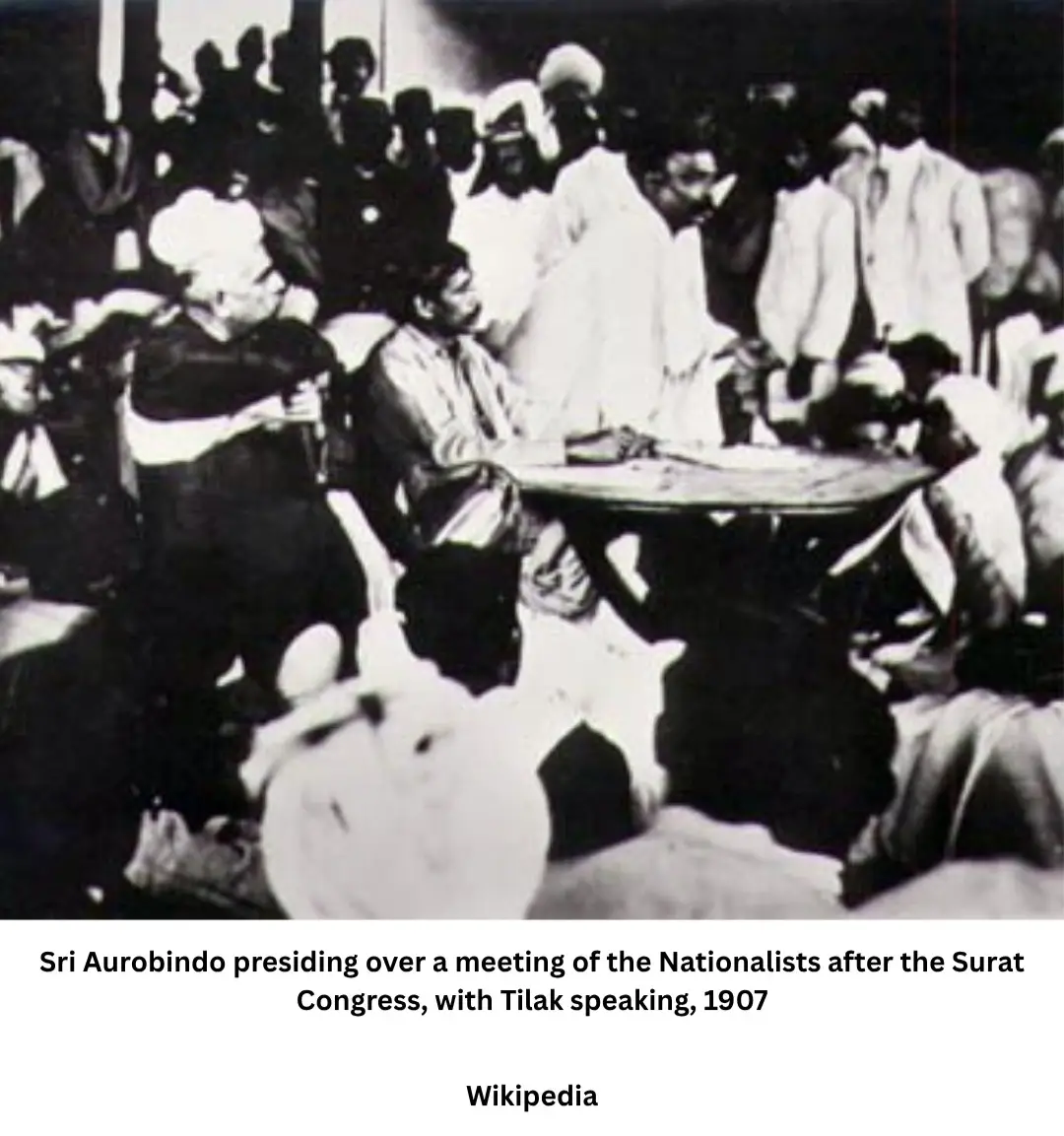
At the annual session of the Congress held in Surat in 1907, Gopal Krishna Gokhale and his associates campaigned extensively to undermine Tilak. They did not accept the existence of radical faction. Although Tilak’s supporters remained firm, Gokhale succeeded in splitting the Congress into two groups—the “extremists” and the “moderates.”
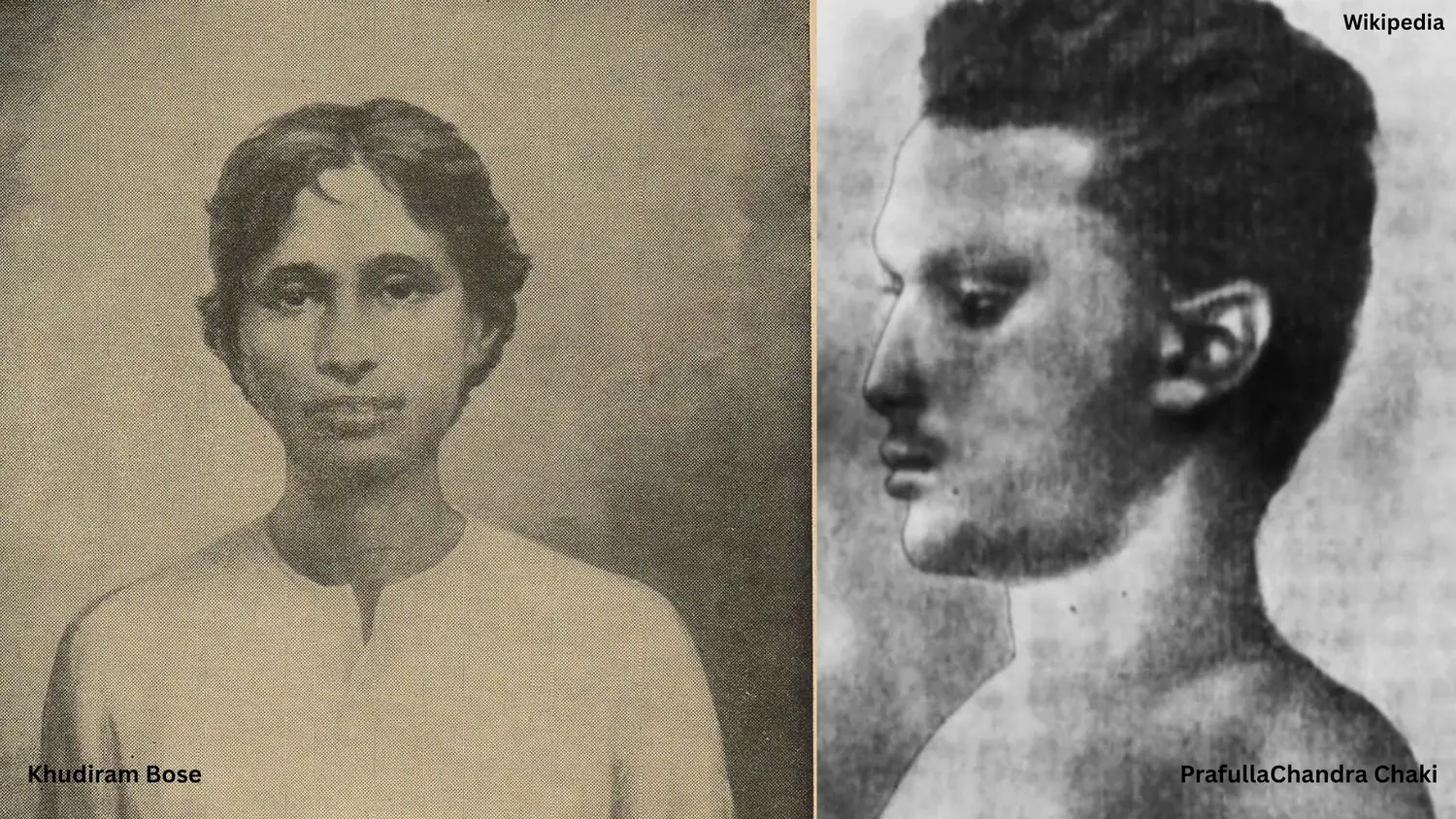
In March 1907, Khudiram Bose and Prafulla Chaki, two Bengali supporters of Tilak, first met him in Calcutta and later visited him three times in Pune. What exact assistance Tilak provided them is known only to God.
However, the two went on to create history.
(The story continues.....)