
Glimpses of the Untold History of the Indian Freedom Struggle - Part 27
मराठी हिंदी ગુજરાતી বাংলা తెలుగు ಕನ್ನಡ தமிழ்
The systematic and well-planned manner in which Commissioner Rand and Lieutenant Ayerst were shot dead out in the open street, in the midst of dense crowds that too on a very significant day, was sufficient to convince the British government that this could not be an operation planned only by the three Chaphekar brothers and their close kin ‘Mahadev Ranade’.
It was the first time since 1858 that a high ranking British officer was fatally attacked.
The day was 22nd June 1897, the day of the diamond jubilee of Queen Victoria.
The day was celebrated at the Government House, Pune and Commisioner Rand was shot at while he was returning from the venue. What fuelled the resentment and rage of the British was that Lieutenant Ayerst died on the spot but Commissioner Rand battled for life for twelve days until he succumbed to death on 3rd July 1897 in the Sasoon Hospital
And under the pretext of reporting on his health the two newspapers of Tilak, ‘Kesari’ and ‘The Maratha’ ensured that the flame of the revolution shone ever brighter.
This incident had actually given vent to the unrest in the mind of the people. Although it was necessary to take health precautions to prevent the plague epidemic, Commisioner Rand engaged British soldiers for this job and declaring ‘emergency’ handed complete power and authority to them.
What did the British soldiers not do! These soldiers forced their way into homes, dragged people – be it the aged or little children - out on the street, ripped out the floor tiles, burned the family’s belongings and brazenly looted valuables, jewellery and silverware used for pooja. What was the most horrifying was they molested women.
People did protest against this oppression but those who did, had to face criminal prosecution and the punishment was obviously dreadful.
Hundreds began to gather in the mornings and in the evenings at Ganeshkhind, the spot where the two European officers were shot at, right from the day after the incident. Some even picked up the soil there and applied it to their forehead.
Rand died on 3rd July. The British had not a clue about ‘the guilty’ as yet. But on 7th October 1897, two brothers by the surname ‘Dravid’, informed the British in return for money that ‘Damodar Hari Chaphekar’ was connected with the murders. Damodar Hari Chaphekar was arrested on 8th October and hanged on 18th April 1898. Balkrishna Hari Chaphekar went underground but again his own dear friend turned traitor and revealed his whereabouts and he too was arrested in January 1899.
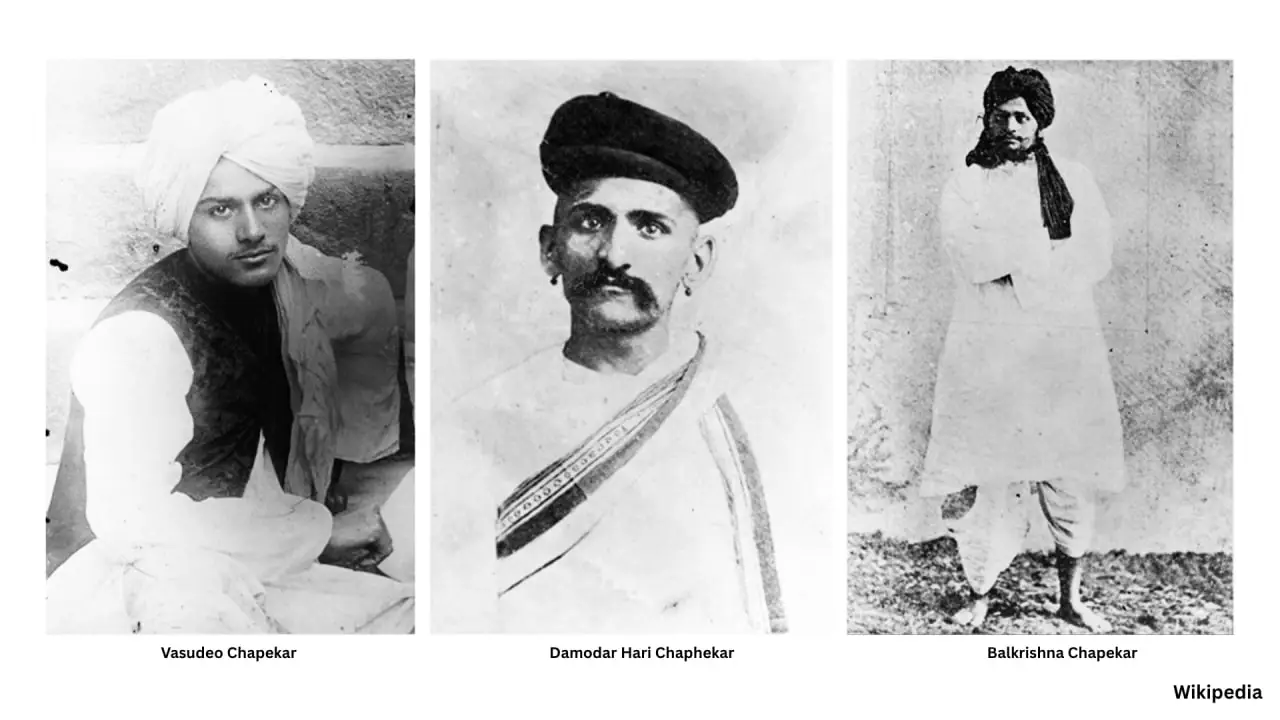
In the days that followed, Vasudev Hari Chaphekar, Mahadev Vinayak Ranade and Khando Vishnu Sathe killed the Dravid brothers on 9th February 1899 but all three were soon arrested.
Khando Vishnu Sathe was a mere fifteen years old but he too was sentenced to ten years of rigorous imprisonment.
These incidents found mention at the international level like in the NewYork Times and the Sydney Morning Herald and the British received a lot of flak due to these incidents.
While in Britain on invitation of the Government, Gopal Krishna Gokhale, the leader of the moderate faction of the Congress, was interviewed by a daily, the Manchester Guardian. In this interview he accused the British soldiers of abusing the religious and cultural sentiments of the Bharatiya people. For the very first time in life, he openly expressed his opinion about all the heinous crimes committed by the British soldiers.
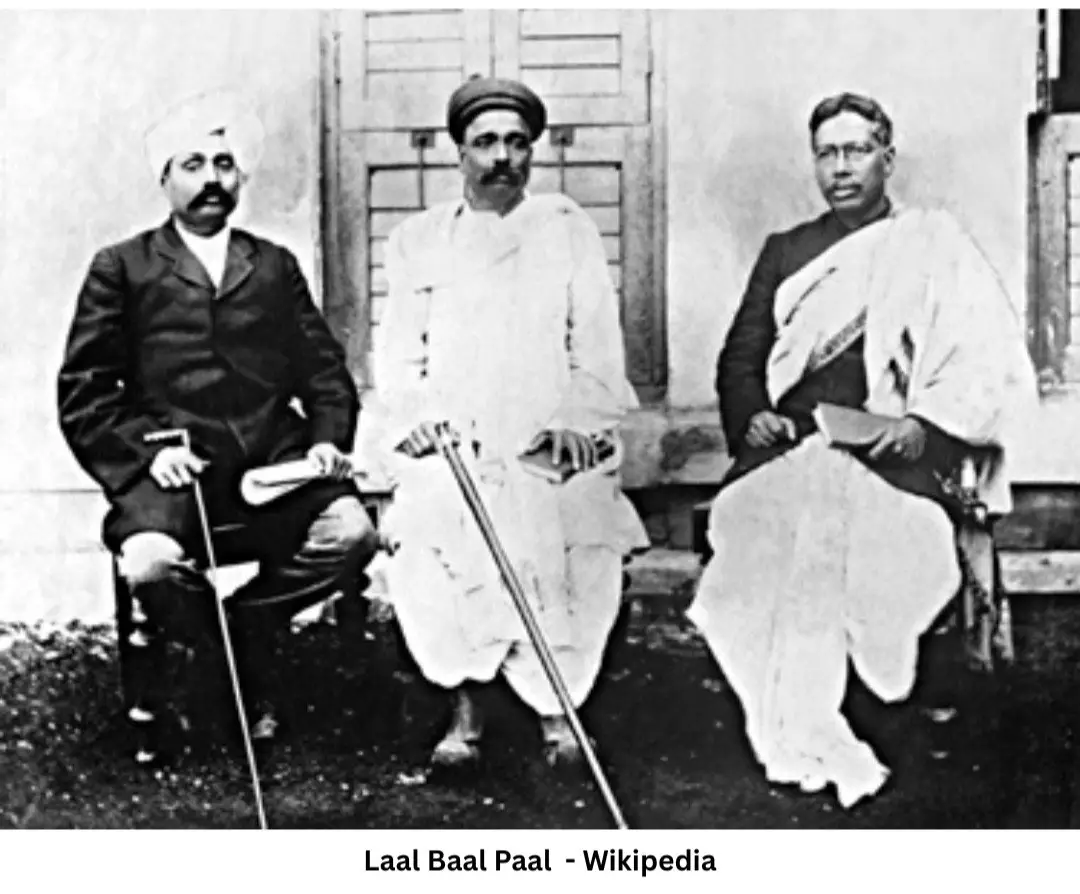
However, Gokhale’s courage was short-lived. His British friends took him to task and finally Gokhale tendered an unconditional apology to evade arrest. This one incident was enough for the moderate faction of the Congress to lose face in the public eye and the entire nation turned to ‘Lal-Bal-Pal’ for support and leadership.
It was only a few days since Agarkar had died of an illness at a very young age. Also, Gopal Krishna Gokhale had lost his standing in the eyes of the public. In the two years that had gone by, not a single resolution expressly and clearly opposing the British was allowed to be passed and so the obvious choice of leadership was the extremely hard-working and untiring Bal Gangadhar Tilak.
The resentment that the moderates within the congress and some who flaunted their leadership under the guise of social reform had toward Tilak much exceeded the resentment that the British harboured for him and the several personal legal cases filed against Tilak were a consequence of this sentiment. Of these, the ‘Tai Maharaj case’ was the most prominent. It was a case related to adoption and Tilak was only a trustee in the matter. Fired up by the one resolve to completely efface Tilak, the so-called social reformers did meet with occasional success and Tilak had to go to jail twice for such trivial reasons.
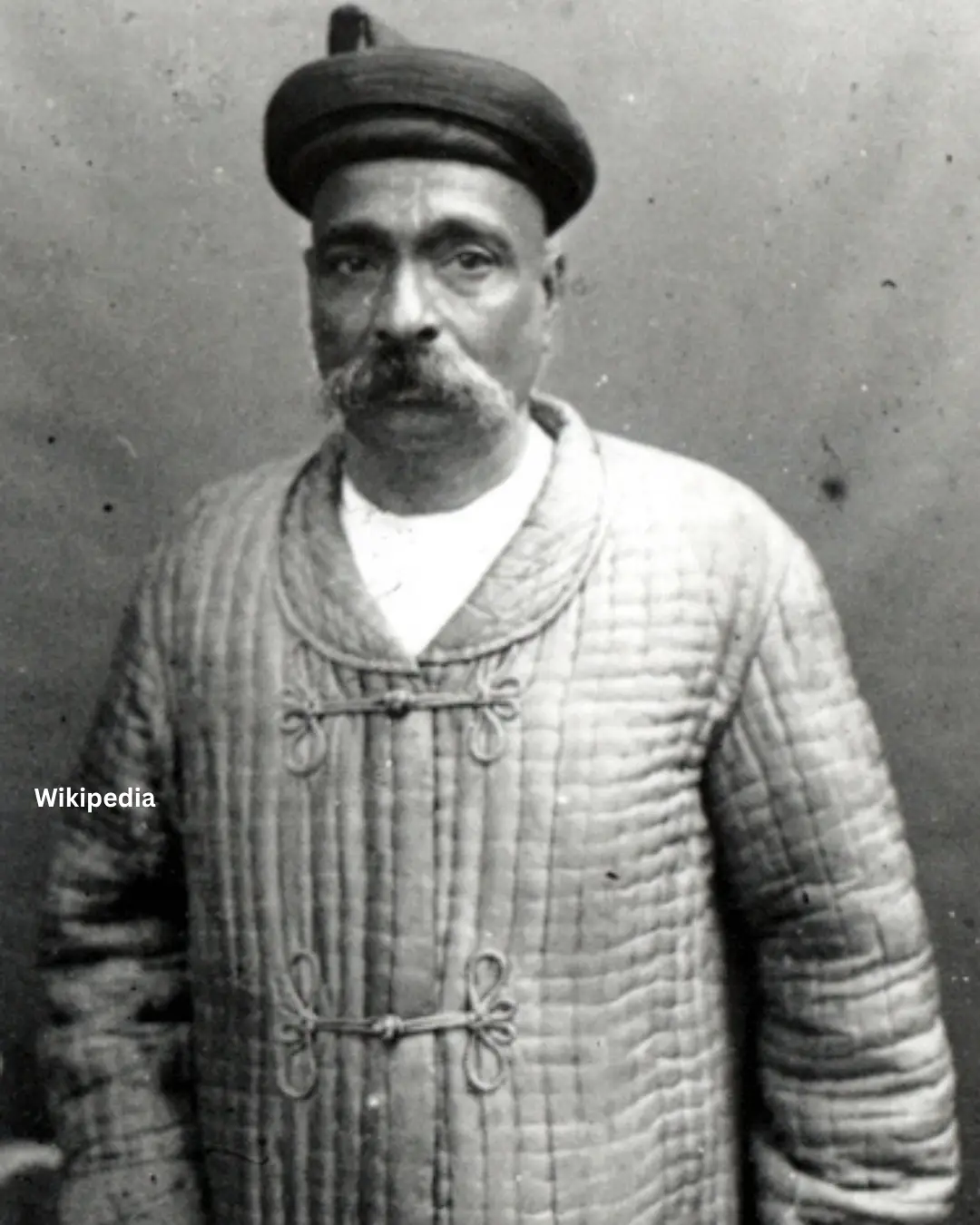
But Lokmanya Tilak continued to oppose the British undaunted by the circumstances. During the period that Tilak was in prison, N. C. Kelkar and Dhondopant Vidhwans (Tilak’s son-in-law and nephew) held the fort and loyal and dedicated as they were, kept the newspaper press running and the torch of the mission burning.
…to be continued