
Glimpses of the Untold History of the Indian Freedom Struggle - Part 23
मराठी हिंदी ગુજરાતી বাংলা తెలుగు ಕನ್ನಡ தமிழ்
Malharrao’s hands were joined together in prayer and even before he knew it, a proclamation hailing the glory of Rani Laxmibai and Bharat, the Motherland, loud enough to be heard by all present, escaped his lips.
The sacred rememberance of the freedom struggle spanning 1857-1858 that had unfolded over five days, had shaken every single one present, in fact left him shocked several times over. Most importantly, all present were humbled by the courage of every freedom fighter. They had all tried to hold back their tears but in vain and the sentiment of patriotism in their heart grew increasingly intense and ardent.
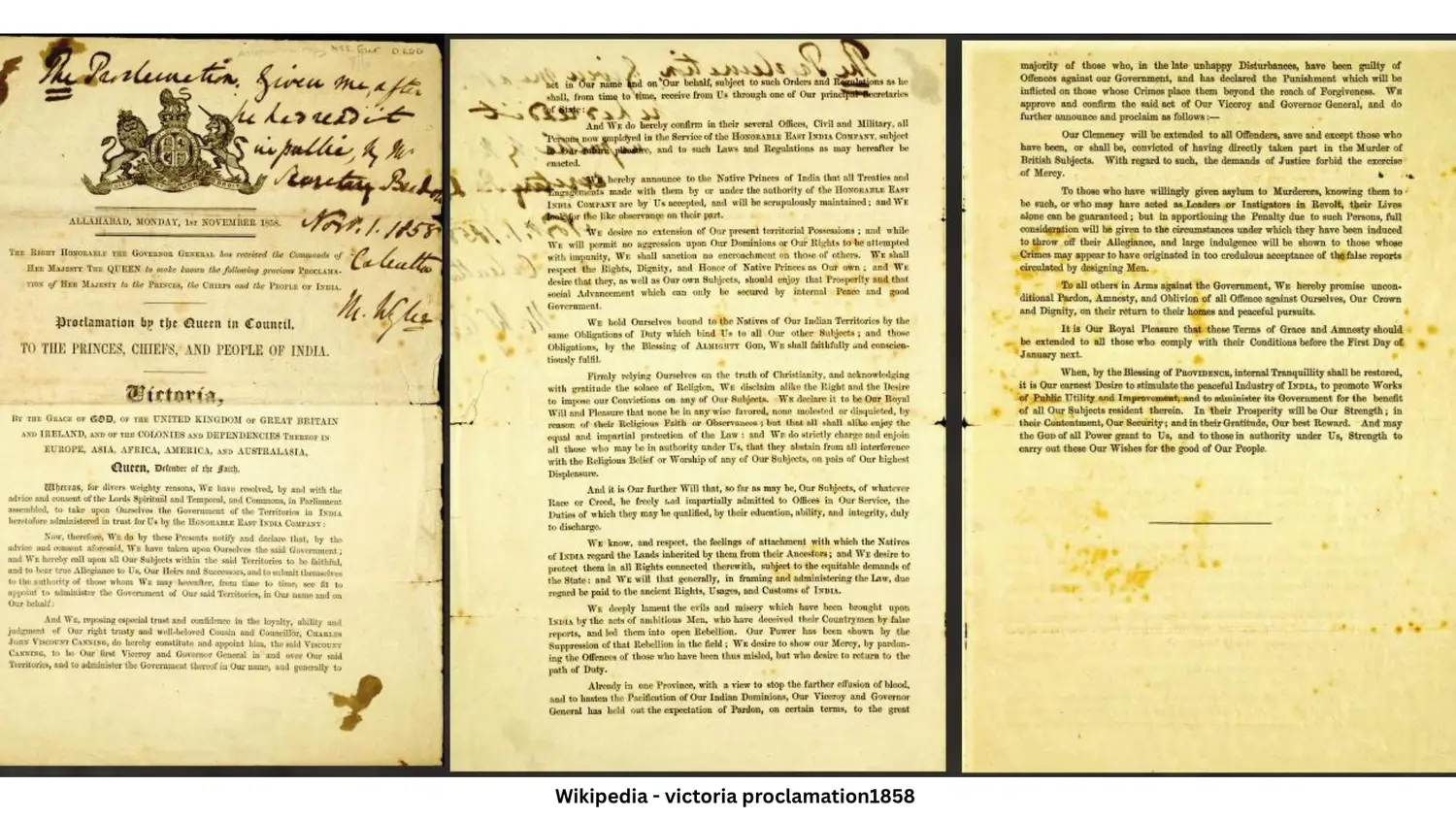
Malharrao was quiet for a while before he resumed talking, “Following this war, there was a heated discussion in the British parliament on this very subject. A committee was appointed to study the situation and the Queen’s proclamation took shape in keeping with the report of this committee.
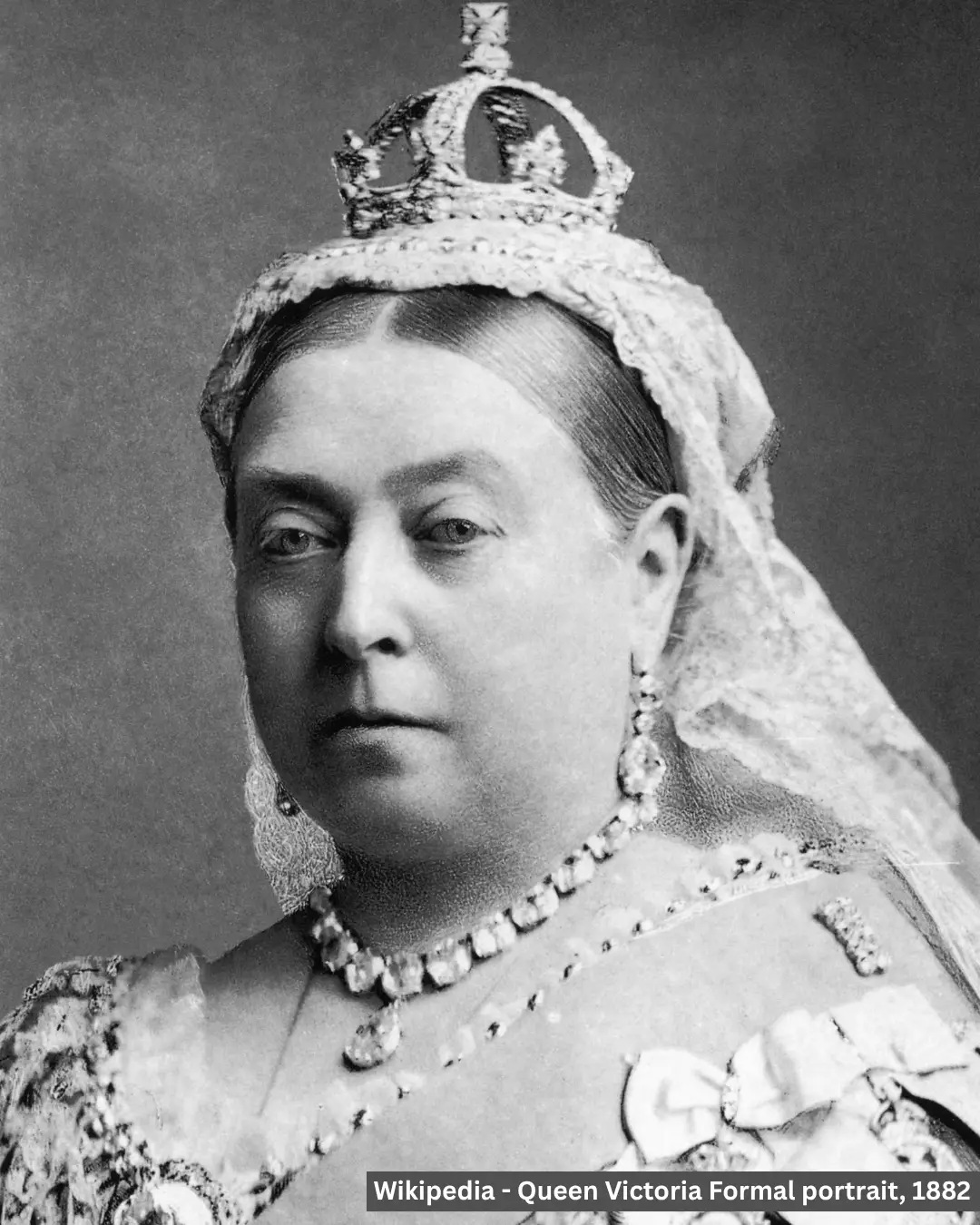
Though the Queen’s proclamation contained many matters, it had a mere five salient ones: 1) The governance of Bharat had been transferred from the East India Company to the British monarchy, viz. the British parliament and the Queen. 2) The princely states not yet annexed were to be treated with honour and were to be granted prestige in the British court. 3) Should the close kin of rulers whose princely states were already annexed, cooperate with the British, they would be granted substantial monthly pensions. Also, they could reclaim their mansions and palaces. The forts however remained excluded from this offer. 4) The Hindu religious custom of child adoption was to receive formal recognition and the rights of the adopted child would be upheld. This law was to apply to royal families and commoners alike. 5) The British government would give an assurance that they would not interfere in the religious matters of the Bharatiya people and would even guarantee protection of their pilgrimage sites.
These five clauses left the princes and the commoners both, feeling fairly reassured because governance had now passed over to the British government from the East India Company which fact the people construed as the end of the brazenly callous administration of the East India Company and planted in their minds, the hope that the democratic British government would not mete out oppressive treatment to the people like the Company did.
Besides, the assurances regarding the religious practices and pilgrimage sites were for the common citizens, a firm impression that there would not be any forced conversions. This point was very important for the Bharatiya masses.
The modern reforms initiated by the British were no longer limited to the big cities. They spread to the small towns and villages which caused the public opinion to tilt in favour of the British government which, according to the Bharatiya masses was ‘good’.
However, the Queen’s proclamation was a ruse, a ploy that the British government successfully employed to stop the princely states from participating in the freedom struggle. The children of the princely rulers began studying in special schools and colleges of the British government or were tutored by special European teachers and at a young age, went on to travel to England for higher education. Consequently the princely rulers almost considered themselves to be of British lineage and had no qualms about kowtowing to the British Viceroys and Governors.
Pleased, the princely rulers began using whatever limited powers they had, thanks to the British, to turn public opinion in support of the British Also, the moment they discovered voices of dissent against the British, they went to the extent of suppressing them by dealing with them severely.
The proclamation brought peace to the Bharatiya people both in their daily lives and on the religious front. However, in actual fact, the peace had to be attributed as much to the reassurances given by the British as to immense fear.
At first the Company government and later the British government too continued terrorizing acts of hunting out every single person who had participated in the freedom struggle of 1857-58 and either hanging him in public or impaling him.
In public squares in villages and major districts, many were hanged and their bodies were left hanging. This instilled so much terror in the minds of the common people that for about the twenty years that followed, no commoner dared to do anything that could go against the British.
The people were terrorized to such an extent that even after Raosaheb Peshwe and Tatya Tope were hanged, no significant opposition was noted, not even in Pune, the capital and home of the Peshwas. This was also because the British had posted a large number of troops in major cities of Maharashtra like Pune and British agents were posted in various groups of society. Monetary gain was the incentive of these British agents of Bharatiya descent who went all out to stand against those who opposed the British; that too citing reasons of social injustice.
There ensued a sort of competition among the youth of all castes to study in the colleges and the universities founded by the British because those who held degrees of these institutions secured positions of authority and the respect and prestige they received lured others to go their way.
In the opinion of the British, within a mere two year period, i.e. by 1860, the Bharatiya princely rulers and the common citizens had come to fully accept the rule and supremacy of the British. In December 1860, the Viceroy dispatched a report to the effect to England. However, on 23rd July 1856 a worthy son of Bharat, the Motherland had taken birth in ‘Chikhli’, a small village in the Ratnagiri district – it is this very noble son of Bharat, who we were later to know as ‘Lokmanya Bal Gangadhar Tilak’ and this great man travelled from Kokan to Pune and secured admission in a college there.
….to be continued