
Glimpses of the Untold History of the Indian Freedom Struggle - Part 12
मराठी हिंदी ગુજરાતી বাংলা తెలుగు മലയാളം ಕನ್ನಡ தமிழ்
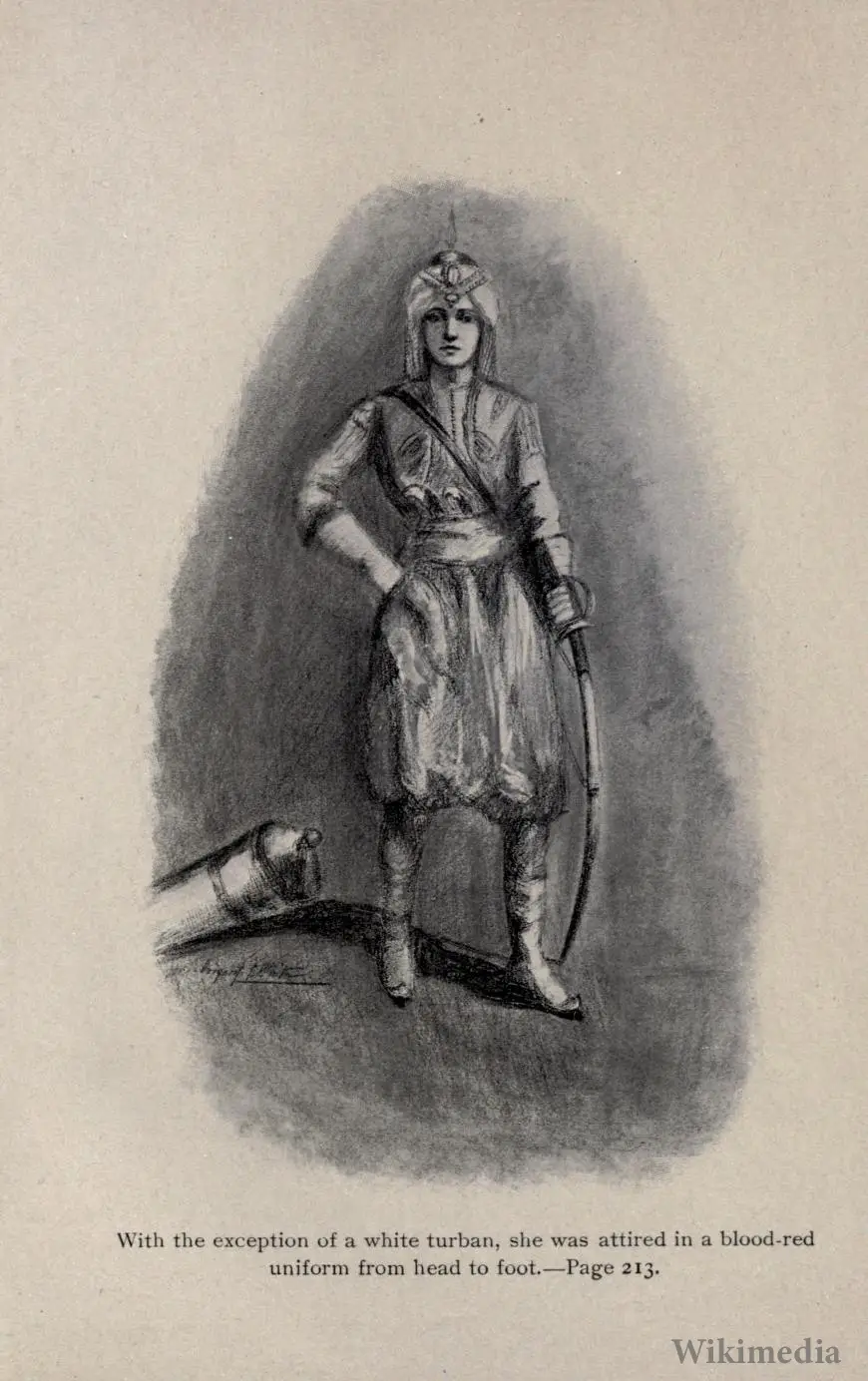
For the very first time, Rani Lakshmibai personally led the freedom fighters in open battle. Fully aware that it was necessary to openly accept enmity, she launched an attack on Major Erskine’s army. Major Erskine, along with five British soldiers and one hundred Indian soldiers serving under the British, was forced to flee in panic. Without wasting any time, he went to meet Major General Hugh Rose. However, what should have been a journey of five days took him fifteen days to complete.
The five-day journey was successfully stretched to fifteen days because of the various forms of harassment inflicted by groups of soldiers hidden in villages and forested valleys under Rani Lakshmibai’s command.
Efforts were also made to ensure that the British troops could not obtain food supplies. At four or five places, water was deliberately poured over their cooking fires, forcing Major Erskine and his men to flee elsewhere in a starved and famished condition.
These ten to fifteen days were extremely important for Rani Lakshmibai because at Kalpi, a major city on the banks of the Yamuna River, Rao Saheb, the nephew of Nana Saheb Peshwa, had his headquarters. Under the leadership of Tatya Tope, the ruler of Kanpur, and Rani Lakshmibai herself, an army of ten thousand soldiers had been assembled. The assistance of trained soldiers from that force was essential for the battle of Jhansi.
After attacking Major Erskine’s camp and ensuring his delay, large numbers of farmers and laborers from Jhansi and surrounding regions began gathering in Jhansi city. The stronger among them were given all the training that could be provided, and they were armed with swords, spears, butcher’s knives, and carpenter’s saws.
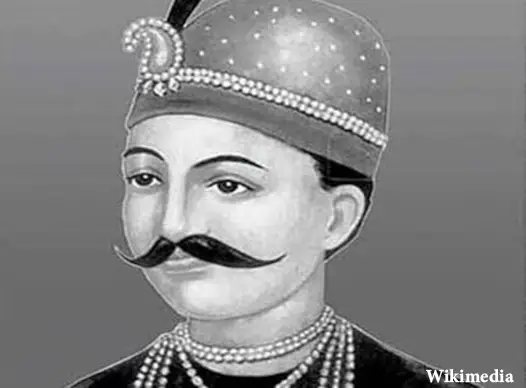
This massive community, inspired by patriotism and prepared to defend their faith, was not fully trained as soldiers for formal warfare. Yet the fire in their hearts burned fiercely. They were ready to kill, and they were ready to die.
To ensure that they received proper training and to enable Tatya Tope to send troops under his command to Lakshmibai’s aid, Major Erskine’s journey was successfully delayed to fifteen days.
However, some of Rani Lakshmibai’s associates did not agree with the strategy of harassing the British forces through hidden, guerrilla-style attacks. They opined that such actions would further enrage Major General Hugh Rose and prompt him to march upon Jhansi with an even larger army.
Rani Lakshmibai convinced all her loyal associates that no matter how they behaved, the selfish and deceitful British Company government would sooner or later launch massive attacks upon them.
After persuading them, Rani Lakshmibai convened a meeting of nearly one hundred and fifty key associates. The speech she delivered there became an eternal source of inspiration for future freedom fighters and commanders.
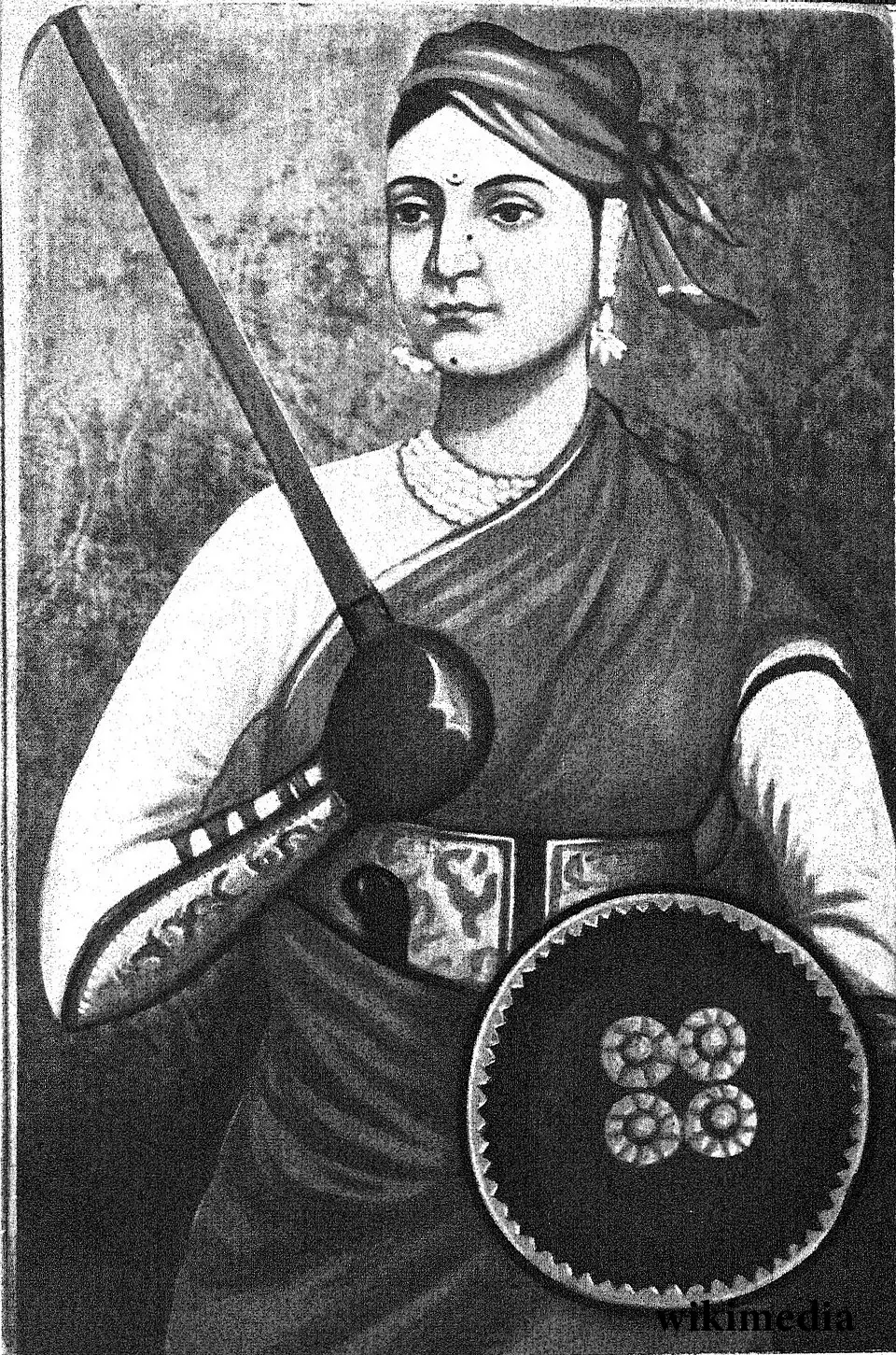
The Queen of Jhansi said:
“This is a grand design to swallow the entire land of India. I fully understand that opposing it is no easy task. But if, out of fear of the British’s vast ammunition, their hundreds of powerful cannons capable of firing over great distances, and their countless soldiers, we choose to remain silent, do you think they will treat us with love and respect?
Consider how the British Company army killed Dhan Singh Gurjar, massacred his soldiers, and hanged countless ordinary Indians in public squares across hundreds of villages merely to spread terror. There is no use in weaving false fantasies.
They will never allow the state of Jhansi to remain independent. In fact, they will wipe out our very existence. Neither the princely state of Jhansi will survive, nor will I or you as its leaders, nor even the prominent citizens of Jhansi.
According to the information I have received, Lord Dalhousie himself has ordered that every single person in Jhansi be hunted down and killed, and that not a single trader, landlord, school, or temple should remain.
Tell me, is it better to live in fear of such British rulers and die silently like rats, or is it nobler to oppose them and continue advancing through fierce battle?
If we fight, there is at least some hope of survival. If we do not fight, total destruction is certain.
Even if we are defeated, captured, or killed in battle, we shall, in our dying moments, teach the British Company government such a lesson that they will forever fear the courage and unity of Indians.
All of us must die someday. I am not immortal, nor are you. If we must die, let us die for our country and our faith. From our sacrifice, millions of warriors will rise across India.
Yes, they certainly will rise. I have personally prepared Rajkunwar Yadav and her brother Bihari Lal Yadav. To ensure that every detail of our battles and campaigns is recorded, and in case we are defeated, captured, or killed, these two, along with their trained group, will travel throughout India, narrating the saga of our bravery, our efforts, and the pain behind our struggle. They will also reveal how cruel and oppressive the British truly are.
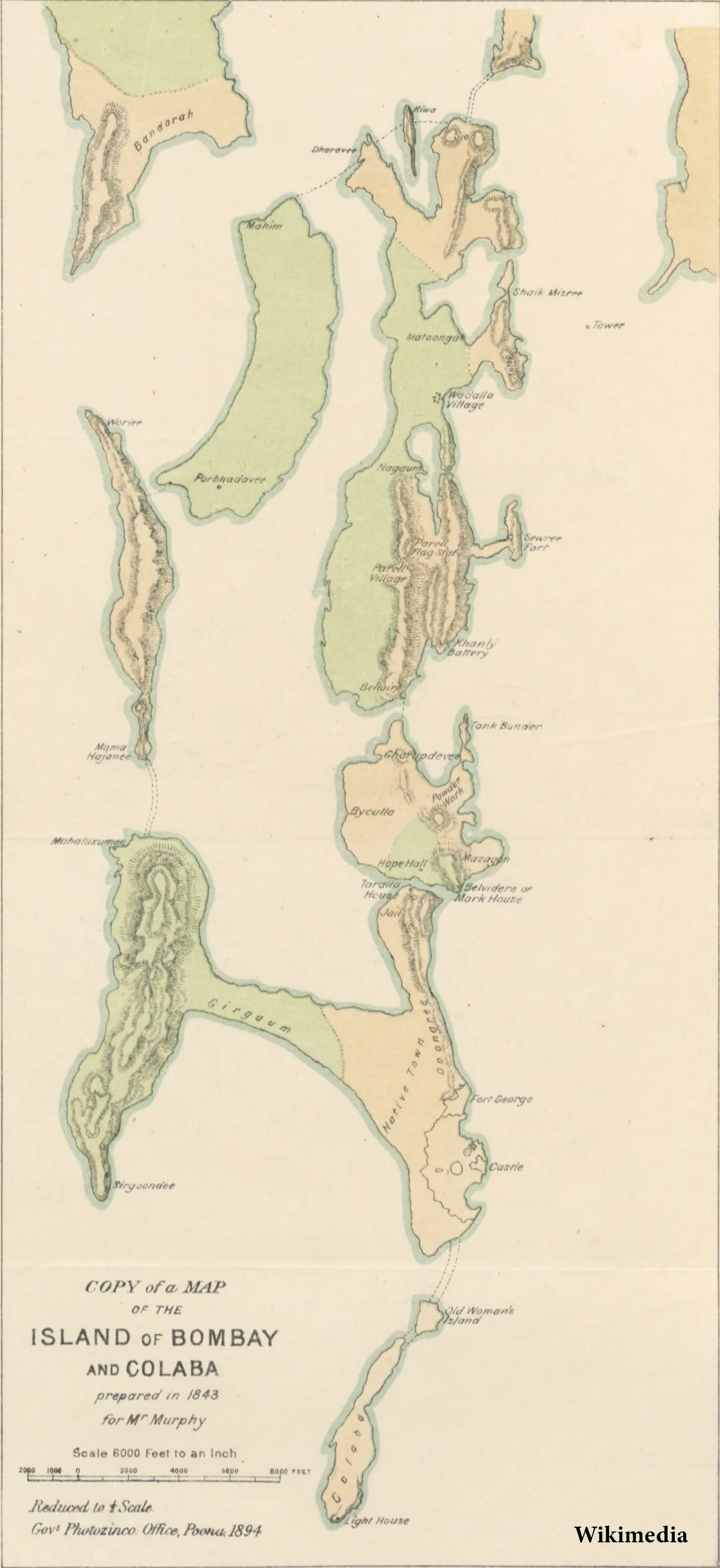
The British have developed the seven-island city called ‘Mumbadevi’. Many Indian merchants there have grown wealthy and will undoubtedly support the British. I have confirmed this, and therefore I remain in constant contact with the highly respected and affluent Jagannath Shankar Sheth of Mumbai. He is secretly assisting us. Along with him, Havaldar Syed Hussain, Naik Mangal Gudaria, and Vateshwar Pathak, who reside in Mumbai, are also working covertly.
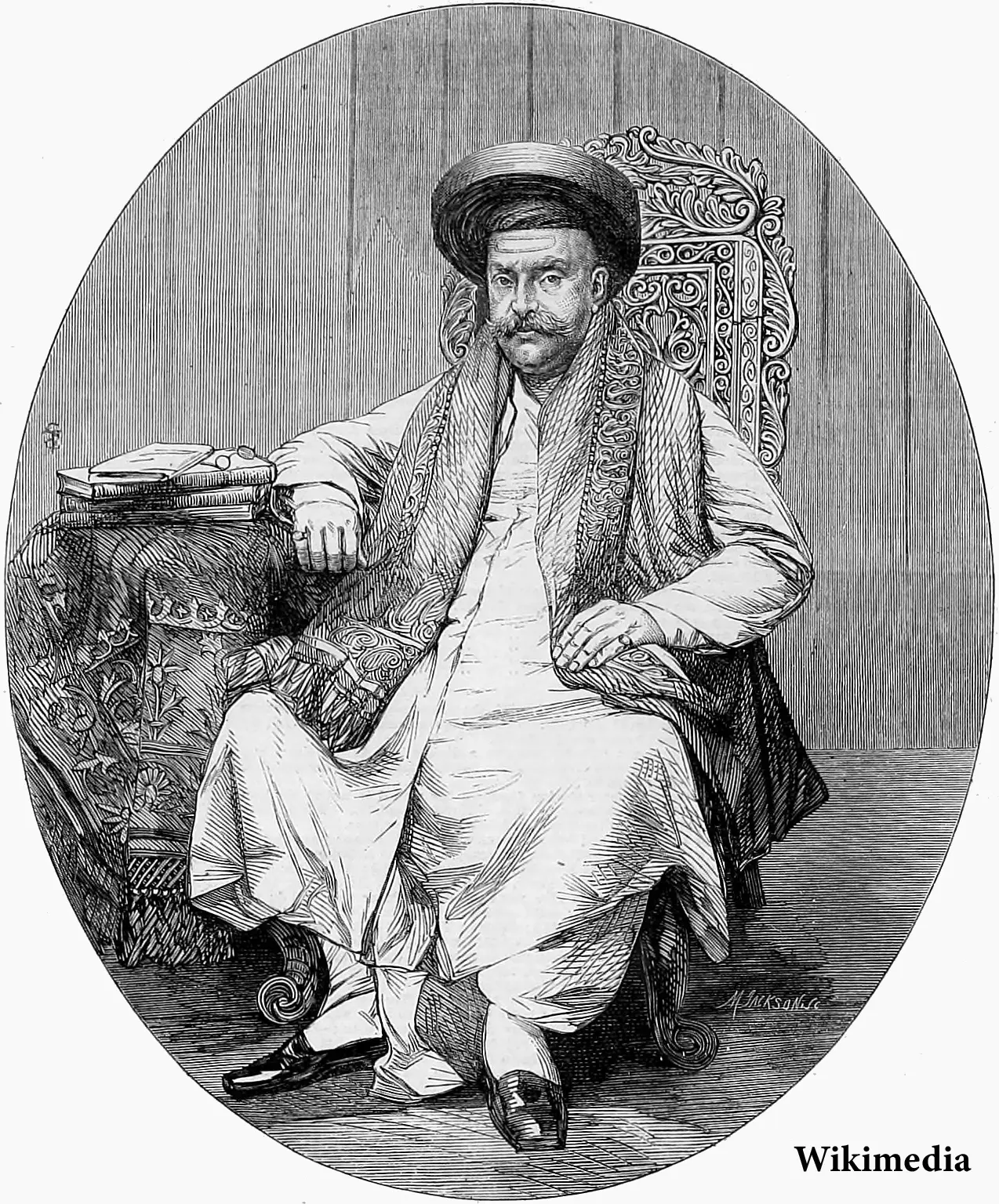
In addition, from Kolhapur, Chimasahib; from Satara, Rango Bapuji Gupte; from Nargund, Balasaheb Bhave; from Ahmednagar district, Bhagoji Naik; and from the Kolhapur cantonment, Havaldar Ramji Shirsat—our trusted men—are supporting us in various ways and are prepared to raise revolts in their respective regions when the time comes. Understand clearly what it means that ordinary Indian citizens from such diverse provinces are standing united at this moment. Our India and our Indian civilization are great, and we will not allow the British to rule peacefully.
I have complete faith that even if I am killed, I shall be born again in India and fight the British once more—and next time, I shall surely be victorious.”
Rani Lakshmibai’s radiant and powerful speech filled every person present with renewed determination and fervor.
Jagannath Shankar Sheth of Mumbai and Rango Bapuji Gupte of Satara were present at that meeting in disguise. They offered at her feet the funds collected from citizens of Maharashtra, especially Mumbai, before returning.
Exactly eight days later, Major Erskine launched a full-scale assault on Jhansi with fifteen thousand soldiers. His five hundred cannons began bombarding the city from all sides.
And in the royal court, Rani Lakshmibai declared:
“I shall not surrender my Jhansi.”
(To be continued.......)