
Glimpses of the Untold History of the Indian Freedom Struggle - Part 31
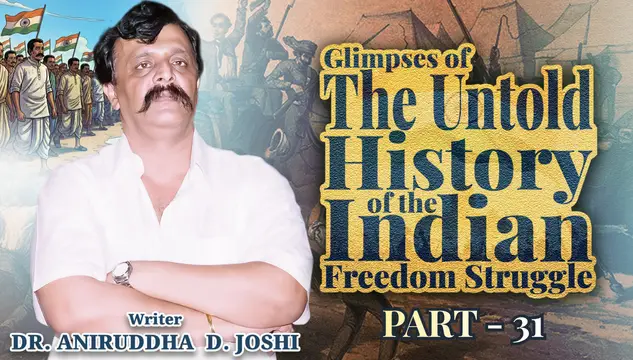
The news of Lokmanya Tilak’s death spread like wild fire all through Bharat. Despite the fact that the means of long-distance communication were minimal in the year 1920, Indians in every nook and corner of the country received the news of their dear leader’s demise within a mere two hours.
A huge sea of people gathered to pay their last respects. Many leaders and even common citizens set out from remote corners of the country to join the funeral procession. But again the means of transport being limited (trains, buses, planes) it was impossible for all to reach in time.
A British journalist records – The news spread to Mumbai and Maharashtra first and it was as if the whole of Mumbai city had thronged outside Sardargruha. Who could have restrained whom?
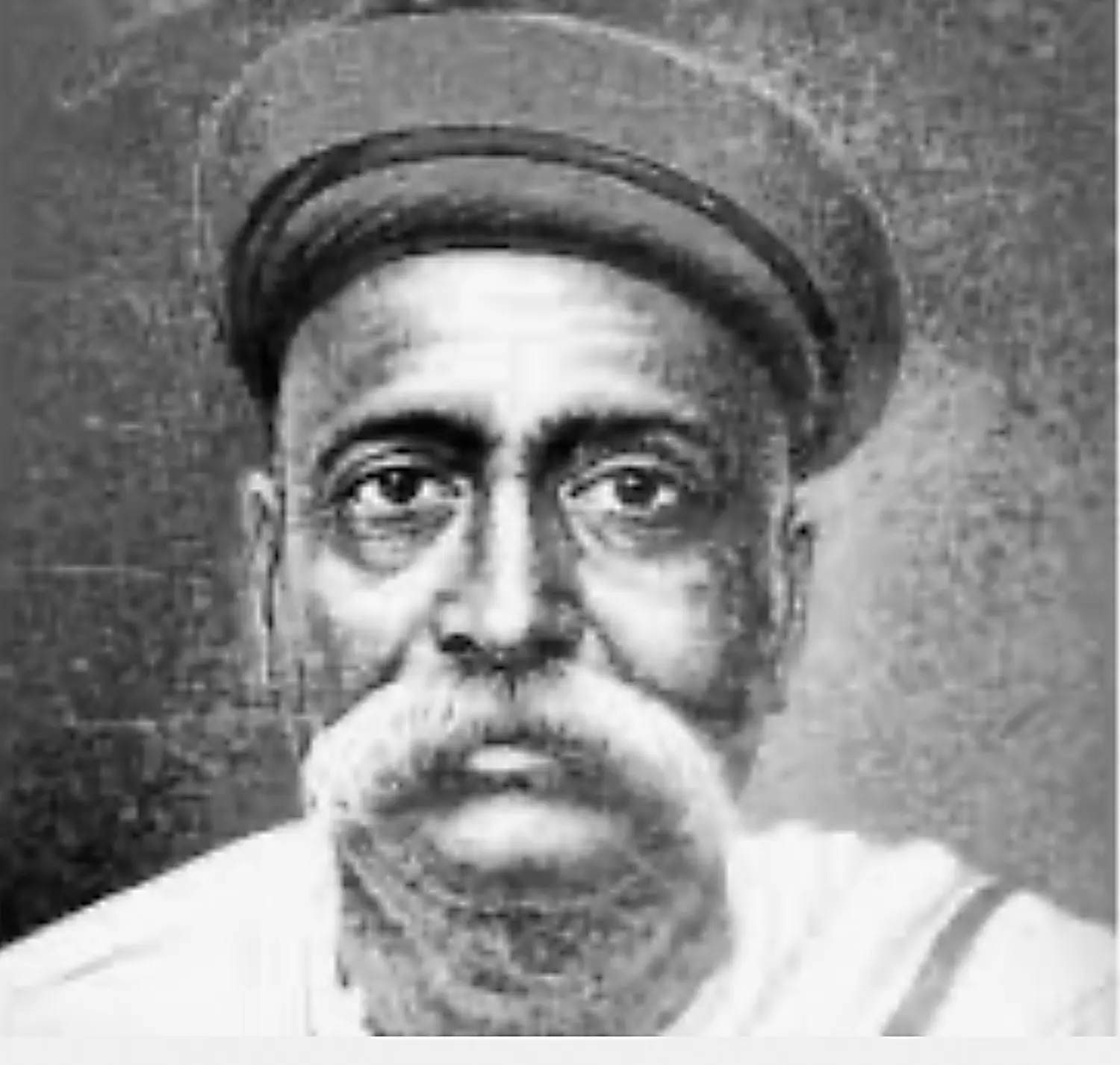
Even police officers of Indian descent could not hold back their tears and sobs. Every man and every woman in the crowd was weeping, crying out Lokmanya Tilak’s name and summoning all their force, the crowd was shoving its way forward for the last ‘darshan’.
The immense turnout compelled a decision to stop the ‘darshan’ but on ‘that day’, leave alone British constables, the Indian citizen too paid no heed to even the high ranking British officers.
The British officers began feeling the heat of the agitation and massive outrage of the Indian public that was hurt because the darshan was halted.
The Governor of the Bombay province contacted the Viceroy and reported the situation. The British were now convinced that preventing even one Indian from paying his last respects or from joining the funeral procession meant risking a massive outbreak of riots and neither the British government nor the British officers nor even the British army would have been able to hold out against the huge and enraged crowd. Also, had they decided to resort to firing, the situation would have spiralled out of control and all hell would break loose. Besides, the fear that gripped the British predominantly was that such incidents would lead the Indians to recognize their true strength, resulting eventually in the establishment of ‘Swaraj’
And owing to his passing Tilak’s public pledge – ‘Swaraj is my birthright and I shall have it’ would come true much sooner than expected.
All of a sudden, the conniving and sly British government changed its stance. Orders were issued from the high ranks right down to the low ranks to refrain from any act that could provoke or anger the Indian leaders and the people at large.
British police officers and sergeants were now seen co-operating with the Indian people, who had gathered to pay their last respects and be part of the funeral procession. This decision obviously did not stem from love, affection or respect; it was a choice made out of anxiety of the future. It was a big deceitful game.
Among the stream of eminent personalities who arrived to get the final glimpse of Lokmanya Tilak were social reformers, journalists, writers, lawyers and industrialists. For the benefit of the people, the Gujarati and the Marwadi communities made arrangements of drinking water and “Limbu sarbat” (sweetened lemon juice) at various places. Many a wealthy person arranged for drinking water, milk and bananas for people who stood in the long queue for hours on end. What was noteworthy was that none of the wealthy persons, communities or organizations involved in these arrangements had put up boards with their names to flaunt their noble act.
Noticing the diverse communities of the country i.e. the Marathi, the Gujarati, the Marwadi, people from Uttar Pradesh, the Bengali, the Kannada, the Telugu and the Sikh among the throng - the British Police took photographs of the respective groups and immediately sent them to the Viceroy.
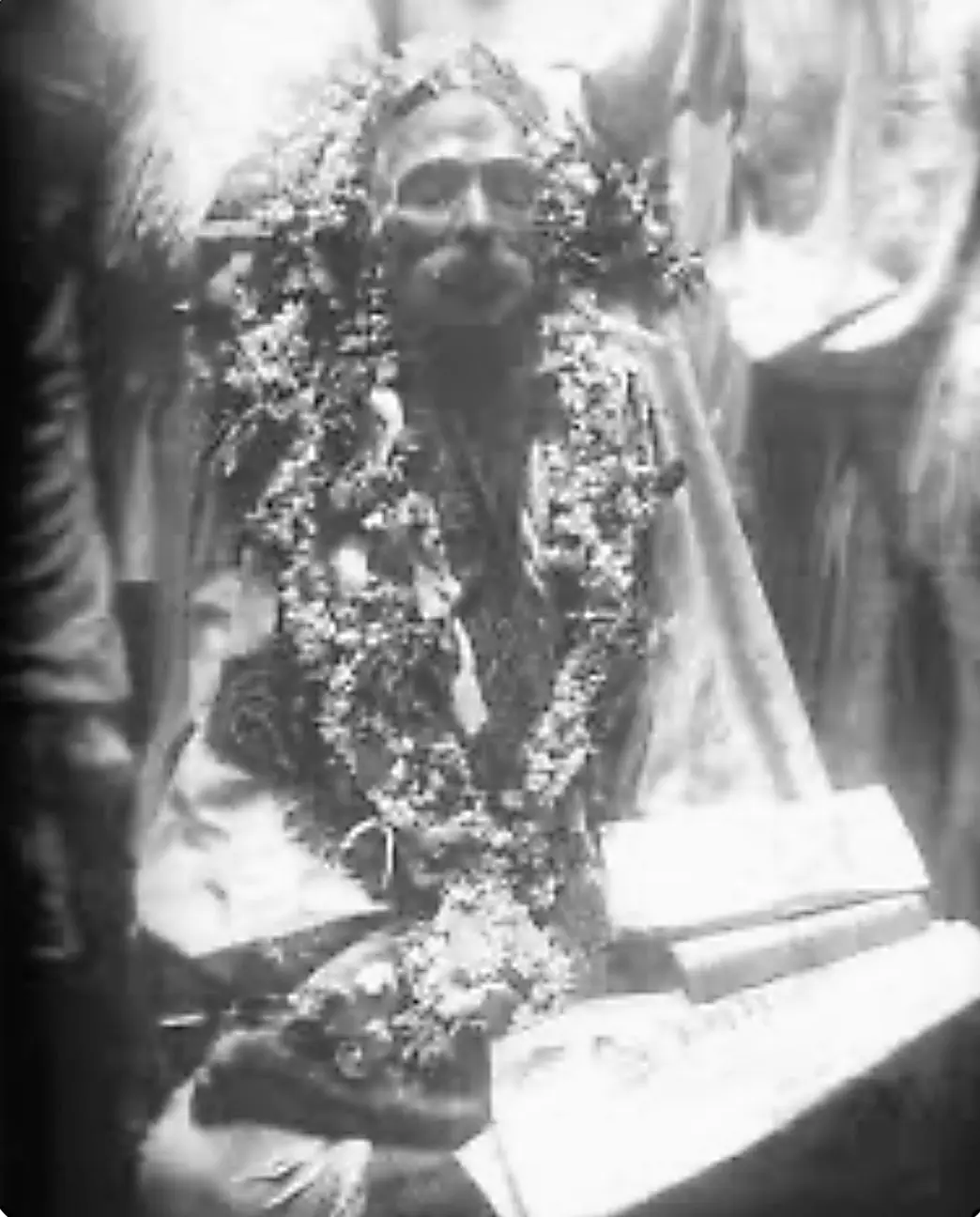
For his supporters the body of Lokmanya Tilak was not an ordinary corpse. It was for them Lokmanya’s ‘sanjivan samadhi’ – a state entered by a spiritually evolved yogi or saint after departing from the body. It was a divine yogic state, the culmination of Karmayog.
It was for this very reason that Tilak’s body was placed in the Padmaasan posture. Shri N. C. Kelkar affirmed in clear words, “Lokmanya never bent before the British, not even in the horrible Mandalay prison; his body will not now lie horizontal, not even after death.”
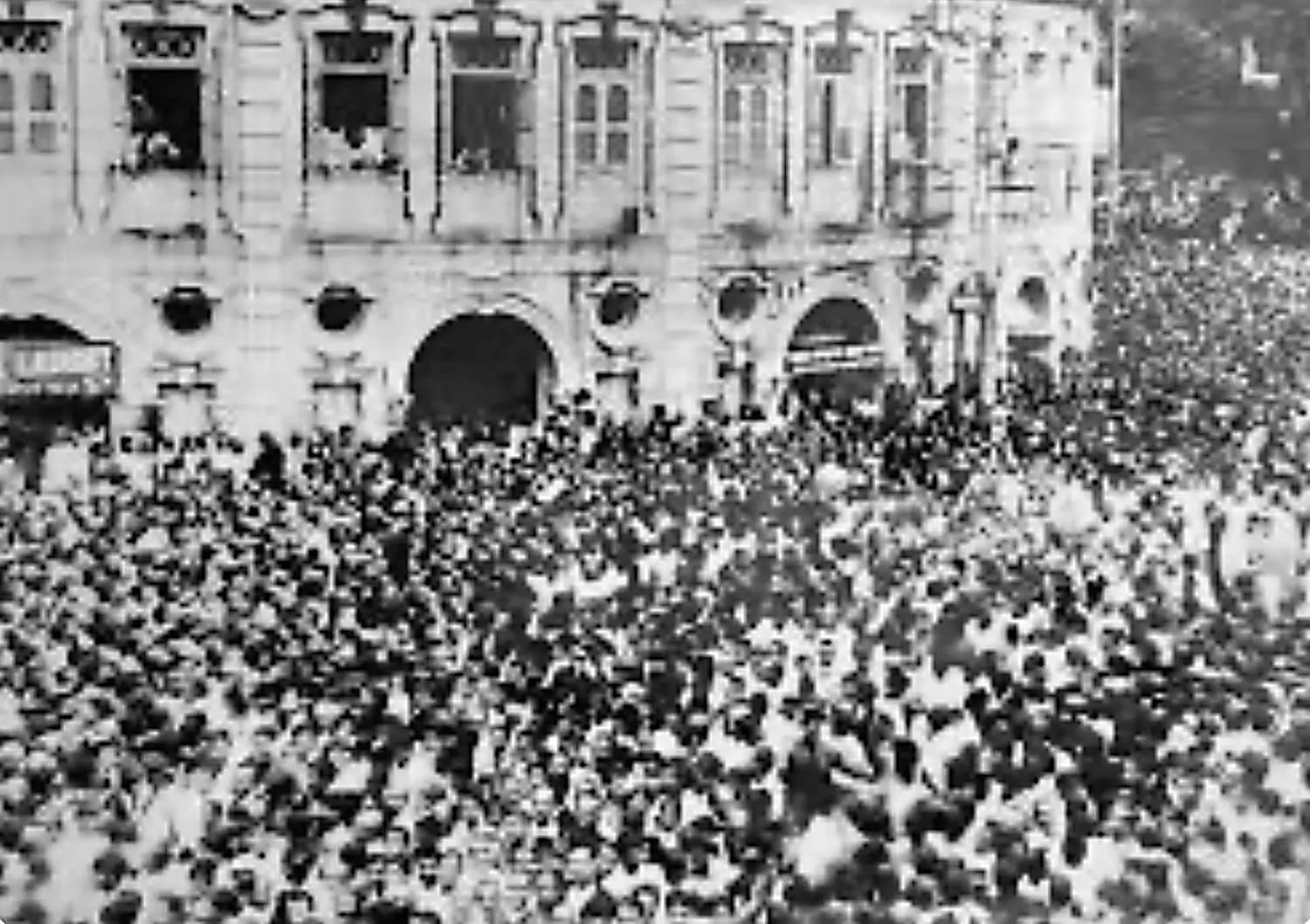
The funeral procession began peacefully despite the huge gathering. At various spots and at junctions flowers were showered on Tilak. Volunteers of all public Ganesh festivals waited holding large garlands. Out in the streets, the bold and daring volunteers of Tilak’s ‘Chhatrapati Shivaji Maharaj Committee’ openly shouted slogans against the British, which again formed a special report that the Governor immediately sent to the Viceroy and to the British parliament.
Leaders of the moderate faction - Mahatma Gandhi, Jawaharlal Nehru and Maulana Shaukat Ali, who had joined the procession, were given prominent positions and the picture intentionally projected was that ‘it was under their leadership that the procession was being conducted’. It was this one factor that served to magnify Gandhiji’s importance in the mind of the common citizen.
Women formed a large majority of the crowd attending the funeral procession. Women mostly confined to the home in those days, had not only stepped out of their homes but had joined the funeral procession, were shouting slogans and even remained present at the last rites. Defying the social norm of the day, even widows with shaved heads joined the funeral procession of this great soul, this great personage of the era.
This scene was enough to send a chill through the British monarchy. Tilak’s funeral procession was going to make Indians feel powerful, able and fearless and that exactly was the growing fear in the minds of the British.
Initially happy on receiving the news of Tilak’s death, the British government soon grew wary and very cautious on learning the details of the funeral procession.
The Viceroy sent an urgent message that stated – ‘setting aside all rules, Lokmanya Tilak’s last rites will be conducted at the grand Girgaon Chowpatty for the convenience of the common citizens’. (Girgaon Chowpatty spanned several acres at the time).
‘The pyre of Lokmanya cannot be built from ordinary wood’, so decided the industrialist class that was truly patriotic and the pyre was then constructed with logs of sandalwood.
But then an extra-ordinary happening began to unfold. Many of those who were part of the funeral procession had carried with them logs of sandalwood as per their financial capacities, as a result of which there were huge piles of sandalwood logs.
The Parsi community was for the most part engaged in sandalwood trade and the leading traders among them offered bullock carts full of sandalwood for the pyre.
Lokmanya Tilak, a staunch follower of the Sanatan Vaidic Dharma and a proud one at that, was known to even become aggressive in its defence if required. His funeral procession had to halt before every big temple because setting aside all norms, the Pujari team and the scholars worshipped Tilak’s feet offering large garlands.
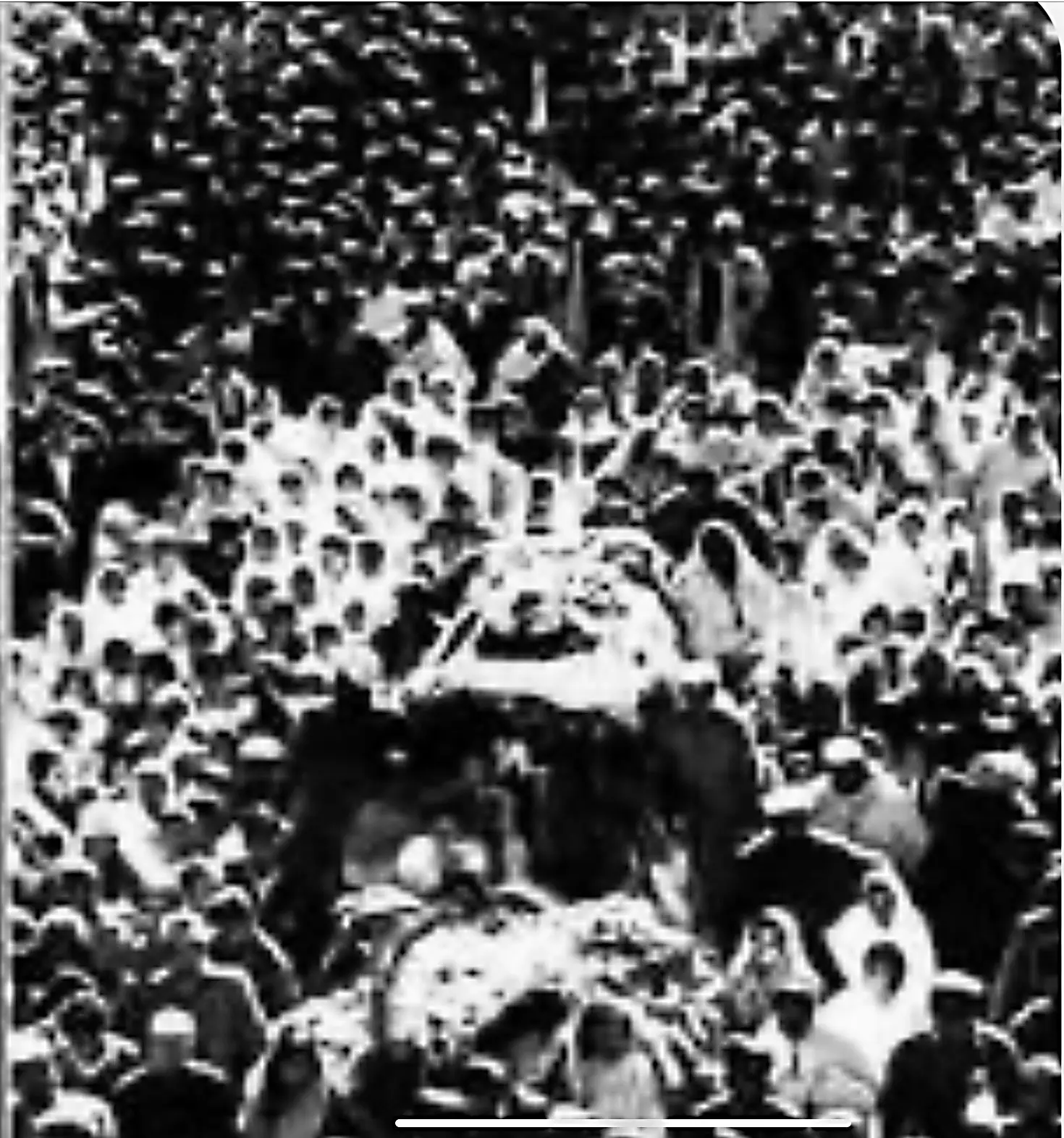
At many dargahs too, prayers were offered showering flowers on Tilak.
As per the British Governor’s estimation four lakh men and one lakh women were part of the funeral procession and the slogan that every one of these shouted was, ‘Lokmanya Tilak amar rahe!’ (Long live Lokmanya Tilak), ‘British raj murdabad!’ (Down with the British Raj), ‘Lala Lajpatrai Zindabad!
The Viceroy voiced the opinion that ‘if the leadership passed on to Lala Lajpatrai, who was as aggressive as Tilak, the hardliner faction of Tilak and the revolutionaries would emerge victorious.’
In order to water down the influence of Tilak’s hardliner ideology the British sidelined Lala Lajpatrai and brought on board the compliant and British-leaning Jawaharlal Nehru, who aligned with their thought. In addition, they even decided to promote Gandhi as unlike Tilak who had opposed military recruitment in the First World War, Gandhi was in its favour.
Tilak’s funeral pyre was burning continuously for seven days because people kept streaming in from various states of Bharat and sandalwood kept being offered.
In the times that followed Gandhiji’s leadership was indeed established but its foundational power was undoubtedly a result of Tilak’s hard work and dedication.