
Glimpses of the Untold History of the Indian Freedom Struggle - Part 24
Bal Gangadhar Tilak, from a very young age, was extremely independent in his thinking, had a fighting spirit, and stood firmly against injustice.
When he was 16 years old, his father, Gangadhar Tilak, passed away in 1872 after a brief illness. At that time, Bal Gangadhar Tilak was only 16 years old, and he was already married. His wife’s maiden name was Tapibai, and after marriage she was known as Satyabhamabai.
Within just six months of Tilak’s marriage, Gangadharrao Tilak passed away. As a result, some relatives and villagers began blaming Satyabhamabai. They claimed that her ill fate had caused her father-in-law’s death within a year of her entering the household. Such misguided beliefs were widespread across India at that time, and women caught in such situations were labeled as inauspicious, unlucky, and bearers of misfortune.
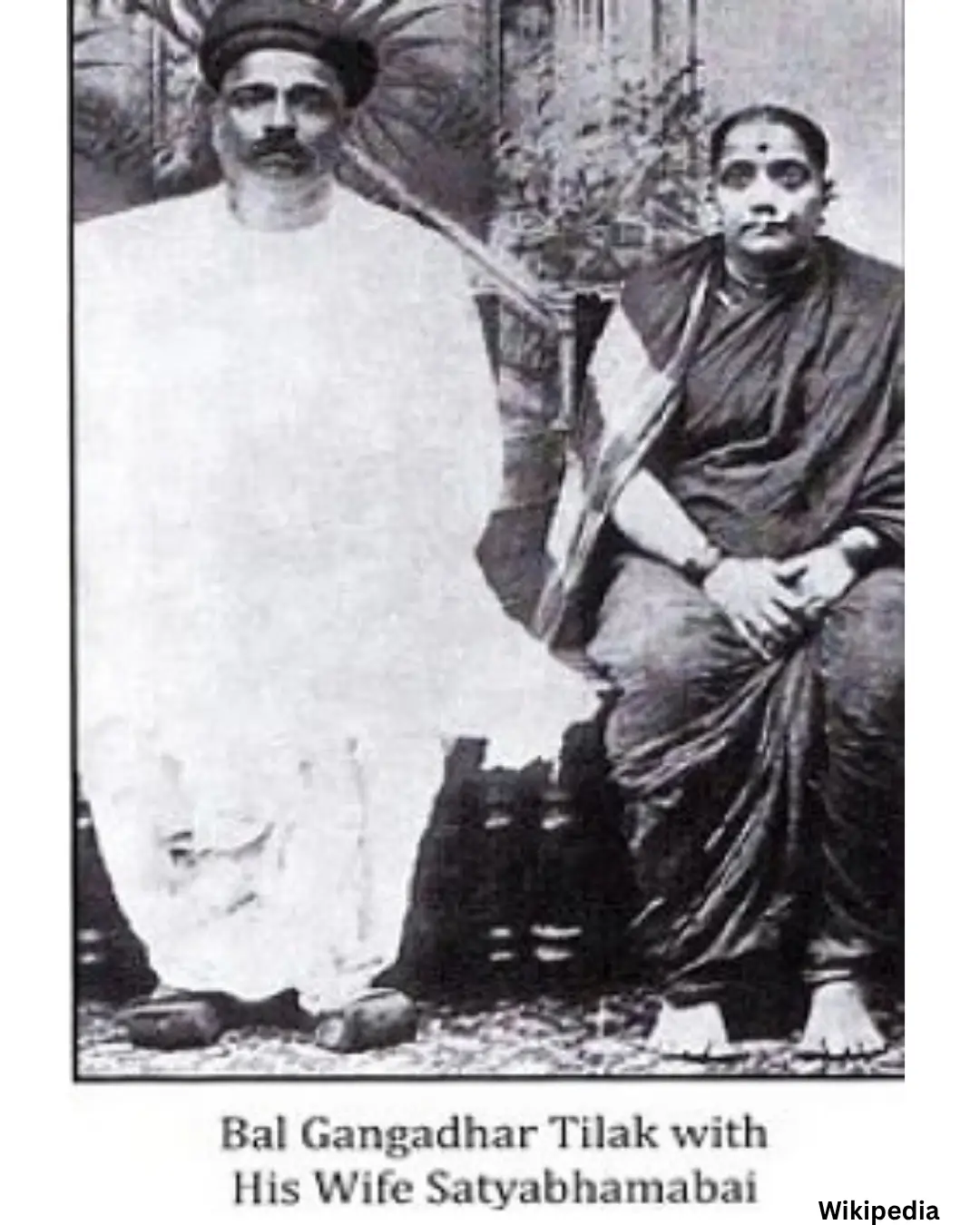
Tilak especially noticed this during the thirteenth-day death ritual of his father. On that day, when Satyabhamabai came forward to serve food, no one accepted anything from her. However, when the same items were served by another woman, they were readily accepted.
Tilak himself was seated in the dining row, as it was customary for a close family member of the deceased to be present. The meal would begin only after that person took the first morsel. With his sharp observation, Tilak noticed Satyabhamabai’s humiliation. However, he was very young, and the number of people holding such beliefs was large. Without hurting anyone, Tilak found a way to respond to the situation.
Through a gesture, Tilak signaled to the 14-year-old Satyabhamabai, who was standing dejected in a corner, to come and serve him fritters. When she approached with the plate, Tilak calmly served himself five or six fritters (वडे) from her hands onto his leaf plate.
At first, she was extremely frightened, and her hands trembled. But Tilak, in a clear and firm voice, addressed the entire gathering: “I do not give even the slightest value to baseless misconceptions and superstitions. My father had been ill even before my marriage was arranged. Nothing inauspicious has occurred because of your entry into this home.”
After Tilak spoke these words clearly, a few other like-minded individuals also deliberately asked Satyabhamabai to serve them. Such was the impact of his firm voice and clarity of thought that no one else dared to object.
That night, as Tilak sat discussing this incident with his friends, they remarked, “Bal! Before your resolute face, your firm voice, and the clarity of your thoughts, even the most rigid and orthodox opponents fell silent. You could become a great leader in the future.”
Tilak simply smiled at this and said, “Because of such a small incident, you have already made me a leader of India. I am just a matric-pass boy from this village.”
At that moment, placing a hand on Tilak’s shoulder and praising him, his teacher Chintamani Barve stepped forward and said, “Bal! Your friends are absolutely right. I was present there when this incident took place. I have been teaching for the past twenty-five years in a major school in Ratnagiri district and have come to this village voluntarily for the past two years.
I have not seen a single student, teacher, or even an adult with such a bold nature and clarity of thought as yours. People quarrel a lot over domestic matters, but I have not seen anyone other than you who firmly presents a viewpoint on an ideological issue and stands ready to oppose everyone.
Bal! You truly have the potential to shape the destiny of India. I sincerely advise you to leave Ratnagiri and pursue higher education in Pune or Mumbai.
In these British colleges, one gains knowledge of global developments, which broadens one’s understanding. Moreover, these English colleges have large libraries. I have heard that the books there provide knowledge from across the world. By studying them, you can further refine your strong and resolute nature.
You already know what the British did to Rani Lakshmibai of Jhansi, Rao Saheb Peshwa, and Tatya Tope. I have been teaching you this history for the past two years.
The British are ruthlessly exploiting India and destroying Indian culture. The people of India are in great need of a leader like you. Our kings and rulers are content with limited powers and have begun to think of themselves as British.
But remember how Tatya Tope was hanged, how Mangal Pandey met the same fate, and how the brave Rani Lakshmibai was treacherously killed. After that, the British government, driven by vengeance, hanged many freedom fighters across different regions of India. Therefore, you must plan your path carefully, because British power has become very strong.”
After Barve Master and Tilak’s friends left, Bal Gangadhar Tilak sat alone in the courtyard, deep in thought. He was fully convinced by Barve Master’s words, and many thoughts about his future life began to take shape in his mind. In fact, such thoughts had already been occurring to him repeatedly for the past one or two years.
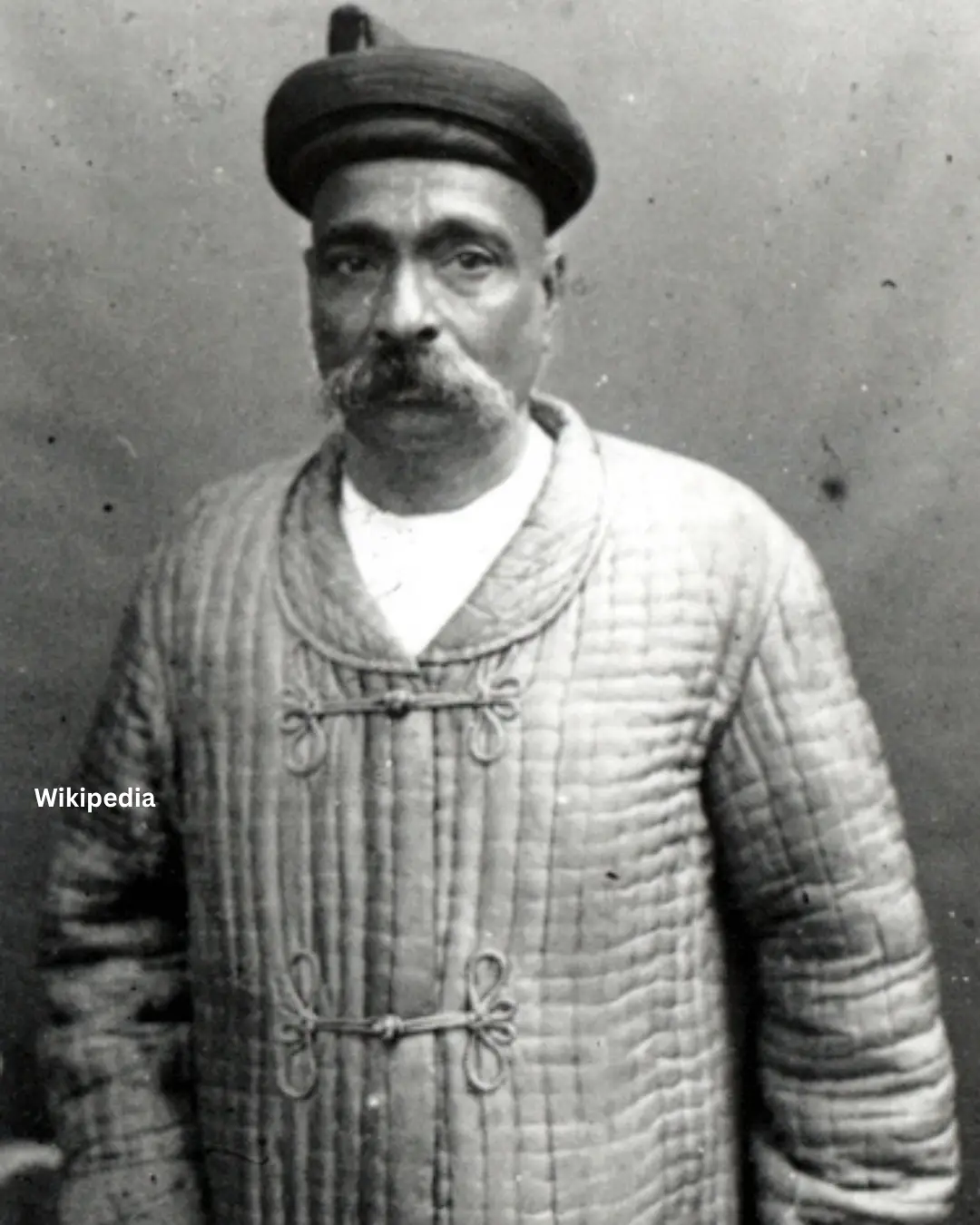
Tilak remained awake the entire night. He decided to go to Pune, and in 1873 he became a student at Deccan College in Pune, from where he obtained a Bachelor of Arts degree in Mathematics with first class.
Although he studied mathematics for his degree, he spent time in the rich library of Deccan College studying politics, philosophy, and also Sanskrit texts.
In 1877, he enrolled for a Master’s degree and began his studies. By the end of his studies, he had formed a clear belief: religion, spirituality, and practical life cannot be separated from one another. Instead of living only for oneself, one must consider the nation as one’s family, and this is the greatest need of the time. The next step after serving the nation is humanity—serving the poor and the needy—and the highest step is to remain connected with God while simultaneously living personal life, family life, national service, and service to humanity.
Observing the behavior of British professors and officials, Tilak firmly decided to enter politics. Therefore, he left his Master’s studies midway and took admission in the Government Law College in Mumbai.
(The story continues....)